IWPC 2025 · INTERNATIONAL WOMEN’S PEACE GROUP (IWPG)
2025 International Women’s Peace Conference
Beyond Conflict: Women’s Peace Leadership toward Hope and Recovery
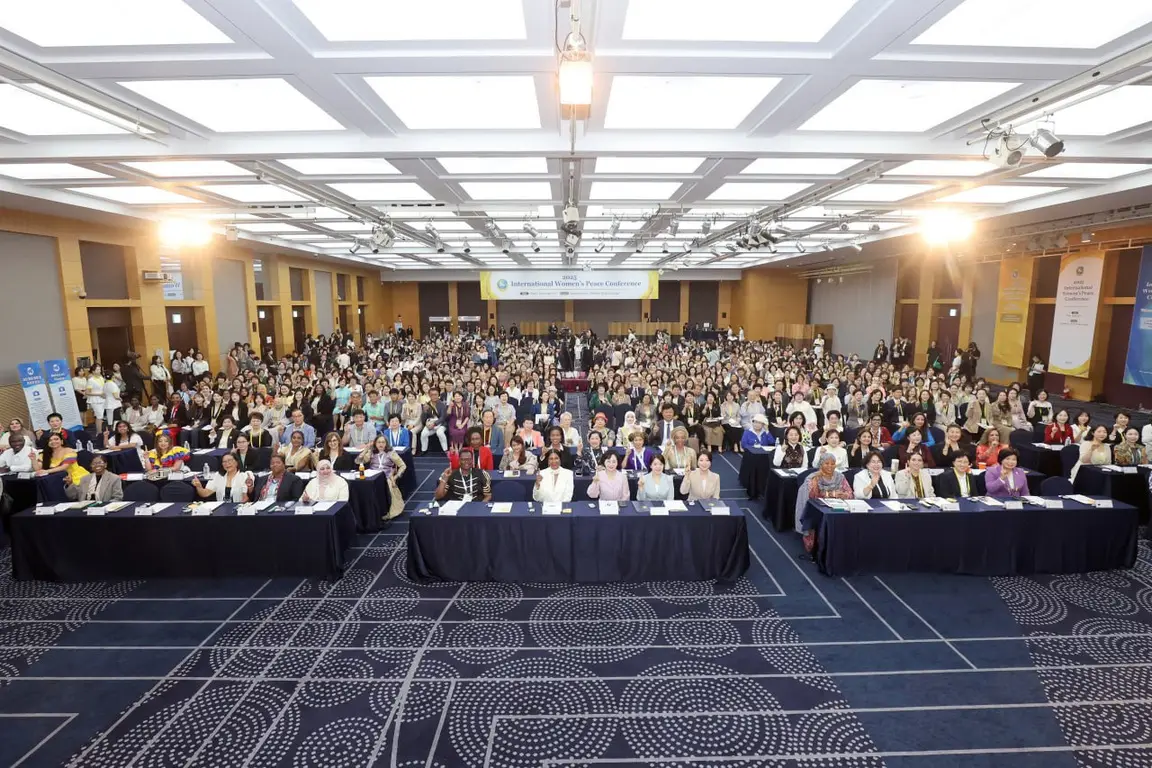
Conference Overview
- Title
- 2025 International Women’s Peace Conference
- Theme
- Beyond Conflict: Women’s Peace Leadership toward Hope and Recovery
- Date
- 17–19 September 2025
- Venue
- Enford Hotel, Cheongju, Republic of Korea
- Host
- International Women’s Peace Group (IWPG)
About the Conference
Amidst the ongoing global conflicts and disputes, women have emerged not merely as victims but as powerful, irreplaceable agents of change and recovery, playing a central role in driving peace and rebuilding societies. Since the adoption of UN Security Resolution 1325, the inclusion of women in peacebuilding processes has been recognized not just as a right, but as a critical and indispensable component of achieving lasting peace. However, women’s participation in peace negotiations remains strikingly low, at just 13%, highlighting the structural challenges that persist in systematically supporting and advancing women’s leadership in peace efforts.
The International Women’s Peace Group (IWPG) seeks to collaborate with women leaders across the globe to strengthen community resilience, foster dialogue among diverse stakeholders, and explore innovative, sustainable solutions for peace. Women around the world—across diverse cultural backgrounds and conflict contexts—have proposed new approaches to peace and are engaging in a wide range of peace activities, from cultural transformation through education and the arts to strengthening communities and influencing policies and institutions.
This conference will serve as a platform to shed light on the experience and insight of women peace leaders, transcending borders and cultural divides. Held as part of the 11th Anniversary of the September 18th HWPL World Peace Summit, the conference will address ongoing wars and conflicts, while highlighting the leadership and presence of women within these crises. As women’s peace movements continue to evolve from local actions to a global wave, the conference will explore how women’s sustained engagement in peace processes contributes to genuine and enduring peace. It will also examine the role of peace education in this process and propose a new model of solidarity and collaboration, based on the wisdom and insights gathered by women peace leaders on the ground. Through this forum, women will be able to redefine themselves as essential agents of peace, not mere victims of conflict. Women’s peace leadership is a necessary pillar for building a peaceful and sustainable 21st century.
Program · Speeches
Tap an item to view the speaker profile and full speech.
Main Session IWoman and Peace · 19 Sep (Fri) 10:00~12:30 · Grand Ballroom
Greeting RemarksMs. Jeon Na-yeong Chairwoman of IWPG
Good morning, I am Jeon Na-yeong, Chairwoman of the International Women’s Peace Group.
Distinguished guests, members of the peace family, Thank you for gathering here today with a passion for peace. This venue is filled with warmth from the 800 peace family members that have gathered for peace alone.
The International Women’s Peace Conference is an advanced event that has been taking place annually since 2015. This conference is built upon the dedication of countless volunteers, multiple stakeholders, and the IWPG staff. Also, so many people sponsored this event in various ways. Most importantly, if there were no activities on the ground, there would be nothing for us to discuss today. Women all around the world overcame countless obstacles and pushbacks to conduct peace work in their regions. Today, we will bring those stories together. Thus, this conference is a meaningful event built upon the contributions of everyone here. I am deeply grateful.
Even amongst conflict and suffering across the world, IWPG has not stopped our peace work. Women working with IWPG have become peace leaders within their communities, creating peaceful changes while tackling systemic social issues. They are educating other women and spreading peace to future generations. To make sure these small changes lead to sustainable world peace, IWPG is urging the legislation of the DPCW, the Declaration of Peace and Cessation of War.
Just as the light shines brighter in darkness, our activities are strengthening and shedding brighter light. No one forced us to dedicate ourselves to peace. We voluntarily jumped in, and we voluntarily gathered here today. This is all for only one hope, which is peace. For the past decade, IWPG has worked with women worldwide to build a world of peace in this generation. Looking back, working with the members of IWPG from around the world for the past 10 years, in both good times and bad, was the most precious time of my life. Sometimes I was scared because this was a path no one had taken before, but I overcame that fear and persevered with love, courage, and hope. Up to this moment, I worked for peace and peace alone, even when I didn’t know about it. I express my deepest respect and gratitude to everyone who supported and worked with IWPG along the way.
IWPG will continue to walk on this path with an unwavering heart, and I would like to ask all our peace family sitting here to stay with us as one. Let’s grow so that all 4 billion women in the world can become one with IWPG, to build with our own hands the world that we all dreamt of.
The theme of today’s conference is “Beyond Conflict: Women’s Peace Leadership toward Hope and Recovery.” I hope we can share the stories of women’s journey for peace and recovery, along with hopes for leadership going forward, so that everyone here can receive inspiration and encouragement. I hope this becomes a valuable experience for everyone. Thank you very much.
Greeting Remarks
Congratulatory 01H.E. Sandra Williams First Lady of Antigua and Barbuda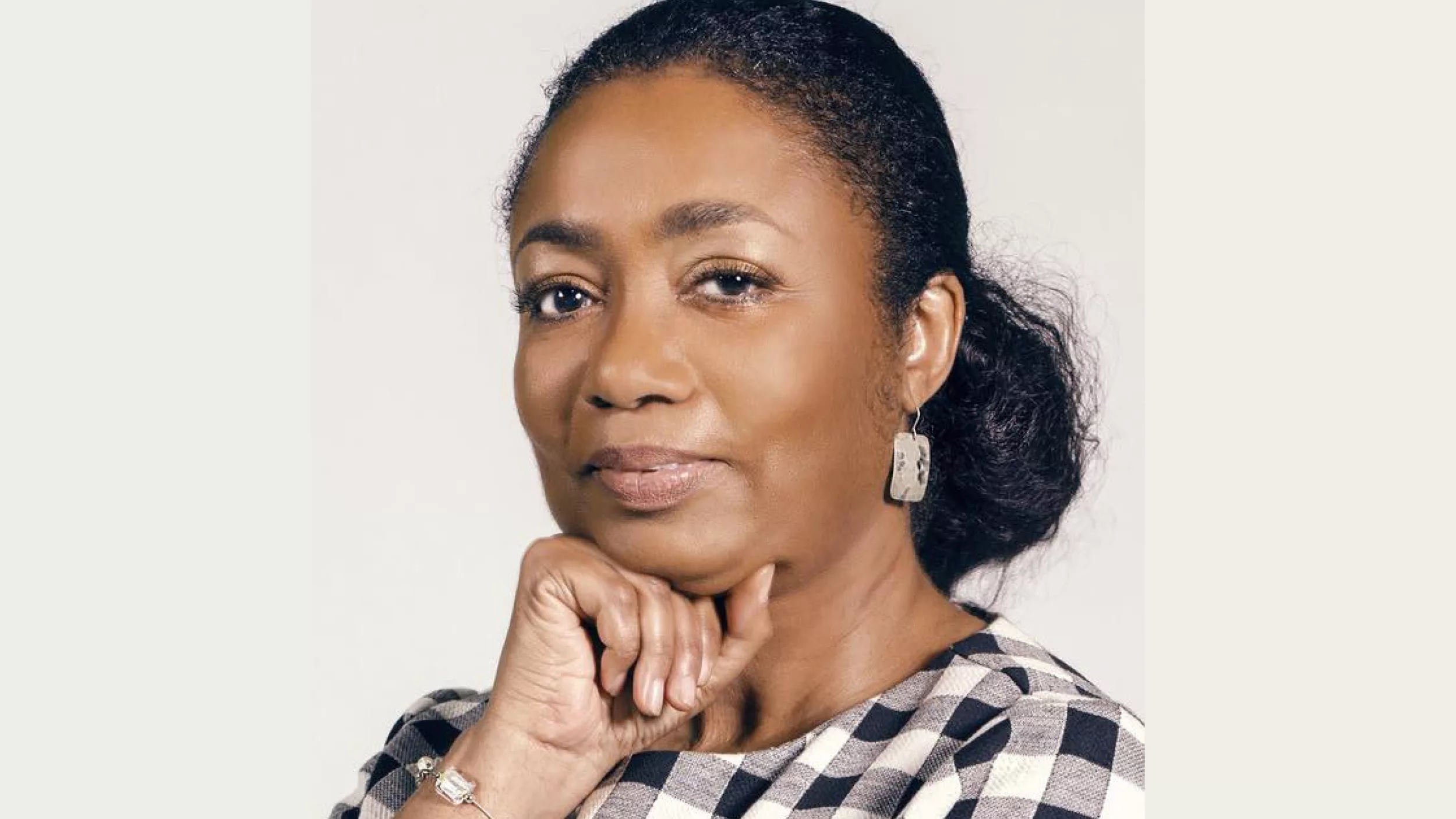
Your Excellencies, Distinguished Leaders, Esteemed Members of the International Women’s Peace Group, Ladies and Gentlemen,
It is a profound honour to join you at this 2025 International Women’s Peace Conference, convened under the timely theme: “Beyond Conflict: Women’s Peace Leadership Toward Hope and Recovery.”
I extend warm greetings from Antigua and Barbuda, and deep appreciation to the IWPG for your tireless work to build bridges of peace across nations and generations. As women, we often find ourselves at the heart of both conflict and recovery. We are the caregivers who mend communities torn apart, the advocates who call for justice, and the leaders who design solutions rooted in compassion and resilience. Today’s gathering is a testament to the fact that peace cannot be achieved or sustained without the active participation of women.
In my own work through the Halo Foundation, which supports forty charities across diverse sectors, I have witnessed firsthand the transformative power of women when they are empowered to lead.
Whether caring for vulnerable children, mentoring the next generation, or advancing community health initiatives, women bring unique perspectives that restore dignity and foster hope. Yet, we know that challenges remain.
Conflict, inequality, and the effects of climate change continue to place heavy burdens on women and children worldwide.
This is why our collective action is so vital.
We must continue to amplify women’s voices in diplomacy, in education, in economic development, and in the healing of societies fractured by war or disaster. Let us also remember that peace is not simply the absence of conflict; it is the presence of justice, opportunity, and respect for human dignity.
In this spirit, I commend the IWPG for creating a global platform where women leaders can share strategies, strengthen solidarity, and inspire one another toward lasting peace.
May the deliberations of this conference energize us all to move beyond conflict, to sow seeds of recovery, and to nurture a legacy of peace that future generations can inherit with pride.
On behalf of the people of Antigua and Barbuda,
I extend heartfelt congratulations on this important occasion, and I wish the IWPG continued success in advancing peace and hope worldwide.
Thank you.
Congratulatory
Congratulatory 02Hon. Gloria Ann Thomas Minister for Social and Community Development, Housing and Gender Affairs of Grenada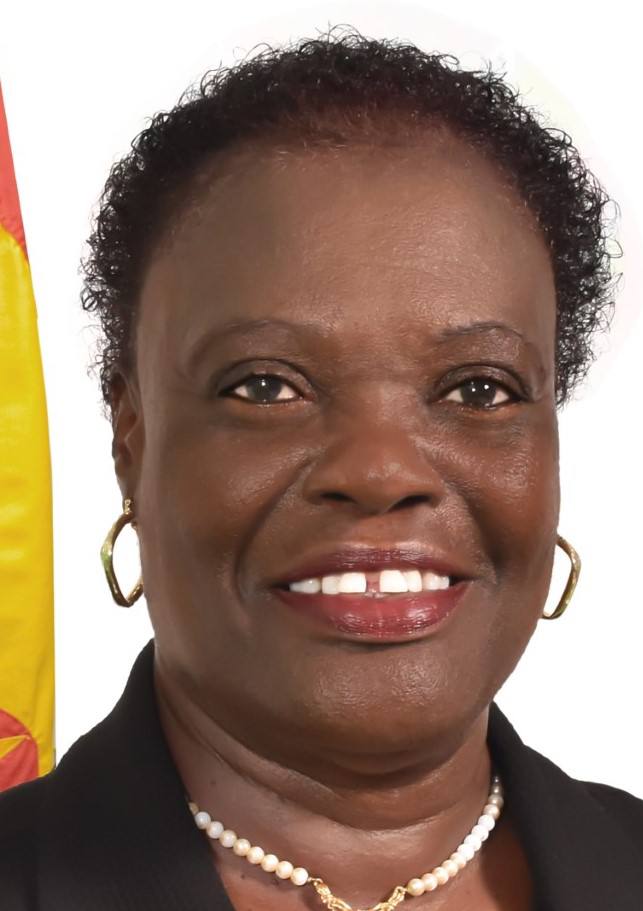
Excellencies, distinguished guests, respected members of the International Women’s Peace Group, and all participants,
It is my great honor to extend warmest congratulations on the successful hosting of this year’s IWPG Conference.
This gathering is not only an organizational success—it is a profound demonstration of the growing power of women’s leadership in the cause of peace.
We meet at a time when global conflicts and crises continue to test humanity’s resolve. Yet in the midst of these challenges, women are emerging as vital forces of hope, recovery, and reconciliation.
Across communities and nations, women are proving that peace is not an abstract vision—it is a living practice, built daily through resilience, compassion, and dialogue. Your work here today embodies this truth.
Each of you carries not only the responsibility but also the possibility of shaping a more peaceful future.
This conference reminds us that peace is not achieved by words alone, but by courageous leadership, tireless collaboration, and the determination to include every voice.
Looking forward, it is essential that women’s leadership in peacebuilding is not left to chance, but is systematically institutionalized and globalized.
For too long, women’s contributions to peace have been underrecognized.
Today, it is clear: no sustainable peace can be achieved without women’s leadership at its very core.
In this regard, we commend the International Women’s Peace Group for its tireless dedication to building partnerships across borders and fostering a truly global peace network.
IWPG’s efforts give strength to the principle that peace must be shared and that peace must be protected. We stand with you in full solidarity.
We express our unwavering support for your mission, and our confidence that together, through unity and shared determination, we can elevate women’s leadership as an enduring pillar of global peace and security.
As former United Nations Secretary-General Kofi Annan so wisely said:
“There is no tool for development more effective than the empowerment of women.” Let us carry this truth forward, knowing that when women lead, peace becomes not only possible, but inevitable. Thank you.
Congratulatory
Congratulatory 03Ms. Antonia A. Vila Jimenez Representative of H.E. Antonia Cósmica Orellana Guarello, Minister of Women and Gender Equity of the Republic of Chile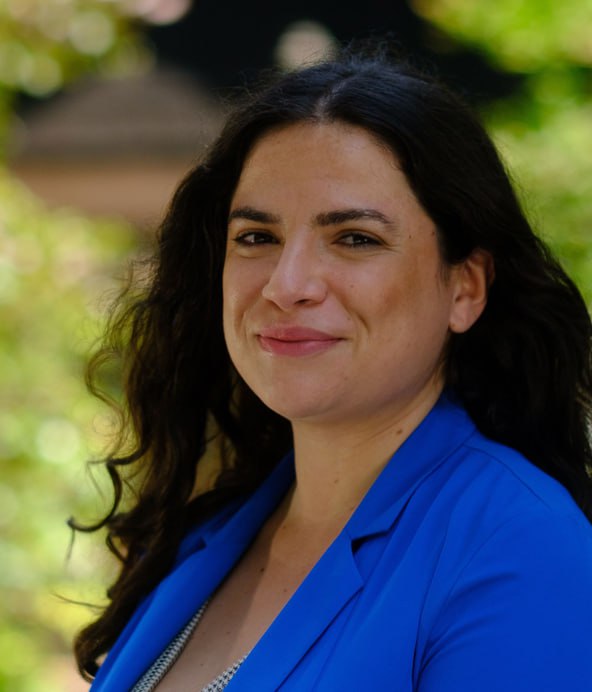
Excellencies, distinguished delegates, dear colleagues and friends, on behalf of the Government of Chile and our Minister of Women and Gender Equity, Ms. Antonia Orellana, I wish to extend our warmest congratulations to the International Women’s Peace Group for convening this important conference, and our sincere gratitude for the kind invitation to be part of it.
Amidst the devastating realities of conflicts and crises across the world, women have not remained passive observers. We, as women around the world, have become powerful agents of hope, recovery, and reconciliation. This gathering reminds us that women’s leadership is not only a right—it is an indispensable condition for sustainable peace. In Chile, we recognize this truth as a guiding principle of our foreign and domestic policy. Our Third National Action Plan for the implementation of United Nations Security Council Resolution 1325, recently launched on September 2nd, reflects this commitment. It places women’s leadership and participation at the very center of peacebuilding, humanitarian action, and post-conflict recovery. It also underscores the essential role of prevention, protection of women and girls, and the promotion of inclusive governance as pillars of the Women, Peace, and Security (WPS) agenda.
What makes this Plan unique is how it was built: through two participatory dialogues with women’s organizations across our territories, ensuring that their voices, experiences, and proposals shaped its priorities. It also establishes an Observatory of Resolution 1325, with civil society participation, to guarantee transparency and accountability. Beyond institutional strengthening, the Plan includes concrete actions to build the capacities of women’s organizations themselves. In this way, Chile seeks not only to strengthen the State, but also to empower women at the grassroots level as protagonists of peace and security. These commitments resonate deeply with the objectives of today’s conference.
Like IWPG, Chile believes that peace cannot be achieved without women, that education and community engagement are essential to strengthening resilience, and that international cooperation is crucial to sustaining momentum. We are convinced that building peace also requires building societies of care, where solidarity, equality, and democracy are strengthened by valuing the contributions of women at every level. The voices gathered here, from grassroots activists to institutional leaders, embody that vision. Chile, therefore, reaffirms its support for IWPG’s tireless efforts to foster global partnerships, to elevate women’s peace leadership, and to ensure that the next generation inherits not the wounds of war, but the legacy of peace. May this conference be a renewed source of inspiration and strength for all our shared efforts. Once again, congratulations on the success of this conference. We look forward to continuing our collaboration with all of you. Thank you very much.
Congratulatory
LetterMr. Kim Won-i Member of the 22nd National Assembly of the Republic of Korea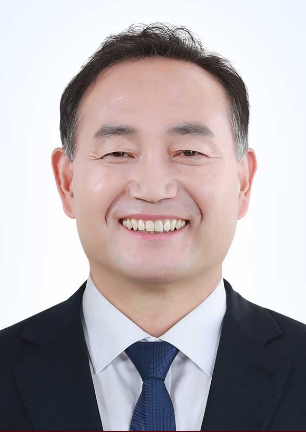
Greetings, everyone. I am National Assembly member Kim Woni.
I extend my congratulations to the hosting of the 2025 International Women’s Peace Conference.
I deeply respect women’s dedication to peace and their commitment to spread its value around the world to lead the way to peace.
At this pivotal moment when the participation of women is very much sought for to realize sustainable peace, I hope the 2025 International Women’s Peace Conference becomes a valuable platform for peace and freedom for everyone in the world. September 19, 2025, Kim Won-i, National Assembly member
Congratulatory Letter
Keynote SpeechThe meaning of peace in an era of warMs. Aisha Al-Mahdi Shalabi Representative of H.E. Horia Khalifa Miloud Al-Tarmal, Minister of State for Women’s Affairs of the State of Libya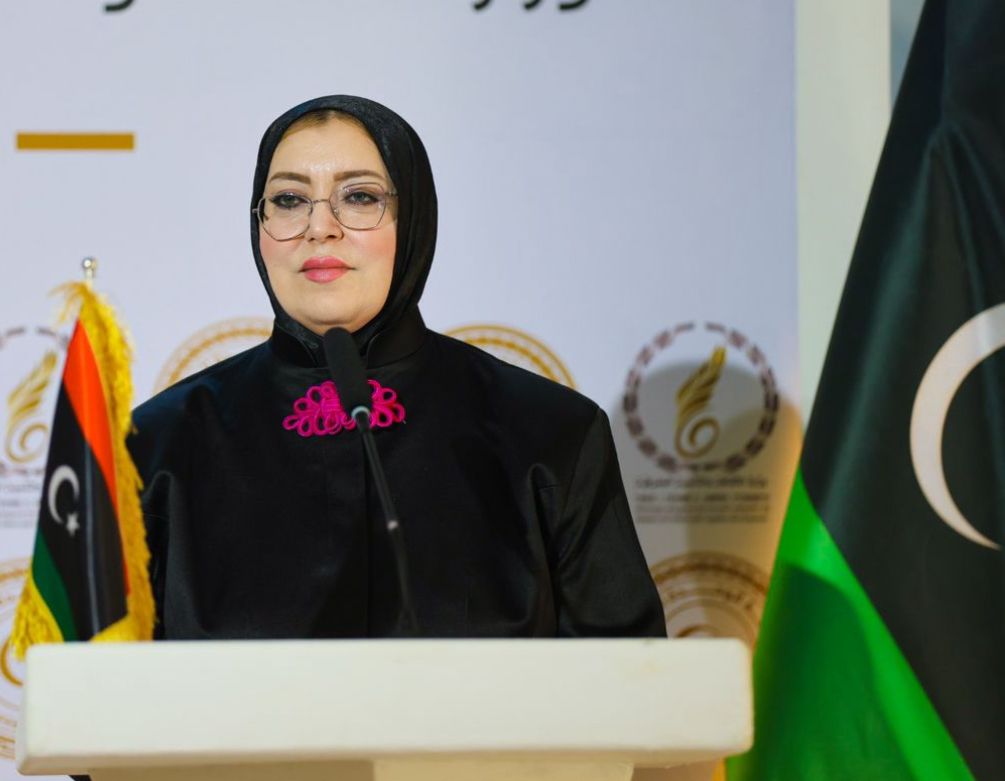
Excellencies, distinguished colleagues, dear sisters and brothers in peace, It is both a profound honor and a heavy responsibility to stand before you today, as a representative of Libya—a country still struggling in the shadows of conflict, yet striving to hold on to the promise of peace.
Around the world, conflicts, wars, climate disasters, and social divisions continue to multiply. Communities are being torn apart, homes are lost, and generations grow up knowing fear more than hope. The international community faces a crisis of confidence, struggling not only to prevent new conflicts but also to heal the wounds of those already suffering. In Libya, we know this reality intimately. For over a decade, our people have endured violence and instability. Families are displaced, the economy is weakened, and trust among communities is fragile. Yet, in the midst of destruction, one truth remains: people—especially women—continue to carry the burden of survival, and within them lies the seed of hope. This is why we must ask: Why do we speak of peace today? It is not only to mourn what has been lost, but to reimagine what can be built. Peace is not a distant dream; it is an urgent necessity one that demands courage, persistence, and above all, leadership. But leadership must look different in this age of crisis. It cannot be based solely on power or military might. It must be rooted in empathy, in reconciliation, and in the determination to rebuild. And here, women hold a unique and transformative role. As mothers, daughters, sisters, and leaders, women bear the scars of conflict most directly. Yet they also embody resilience, holding communities together when institutions collapse. Across Libya and beyond, I have witnessed women leading dialogue among divided groups, organizing relief when resources are scarce, and teaching the values of peace to the next generation. This is why the path forward must begin with women. To place women at the center of peacebuilding is not symbolic it is practical, it is essential. When women lead, peace processes become more inclusive, recovery more sustainable, and hope more tangible. Therefore, as we begin this important conference, let us carry with us three guiding thoughts:
That peace is not only the absence of war, but the presence of justice, dignity, and opportunity.
That recovery is not only about rebuilding cities, but about restoring trust, healing communities, and empowering the most vulnerable.
That women’s leadership is not optional—it is the key to transforming cycles of conflict into pathways of hope.
Let this gathering be a reminder that even in the darkest of times, women are the lightbearers of peace. From Libya to every corner of the world, may we choose not only to end violence, but to begin anew—with women as leaders, with hope as our vision, and with peace as our shared destiny. Thank you.Keynote Speech
Part 01Women’s Leadership: the turning point towards recovery
Speech 01The role and leadership of women amidst conflict and crisisH.E. Bouaré Bintou Founé Samaké Former Minister for the Promotion of Women, Children and Family of the transitional government of Mali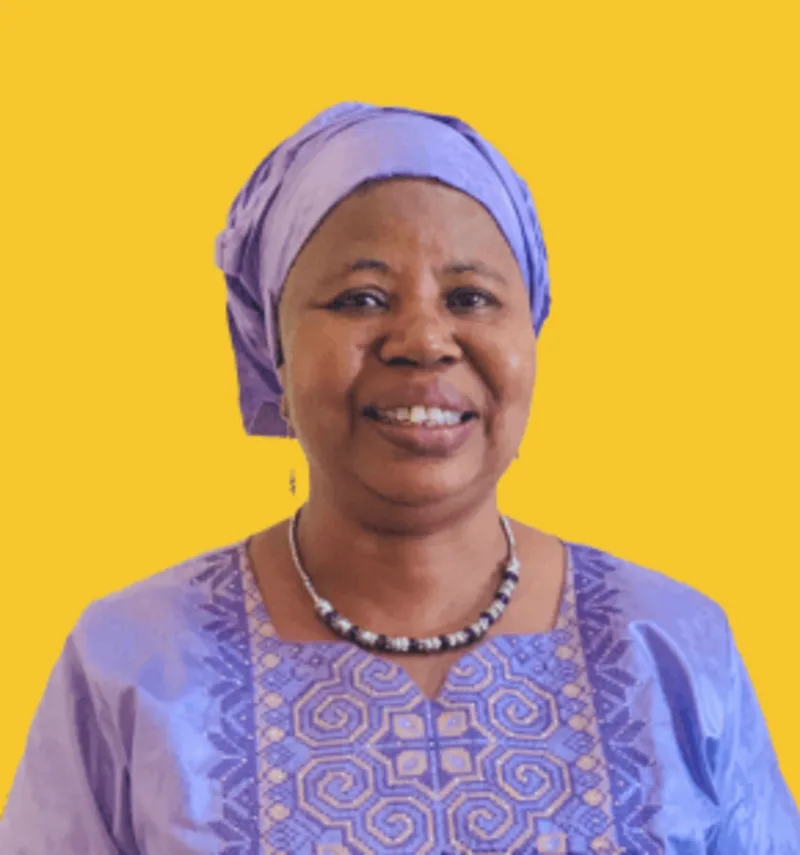
It is a great honor for me to speak before this distinguished assembly to present the contribution of Malian women through WILDAF/Mali.
Ladies and gentlemen, today, the issue of peace is increasingly raised in public discourse worldwide. Ongoing intra- and inter-state crises and conflicts are becoming more violent, complex, and prolonged. They disproportionately affect communities, especially women and children.
Since 2012, my country Mali has been experiencing a multidimensional crisis (security, institutional, humanitarian), from which it has struggled to recover. This crisis has shaken the foundations of the state and torn apart the social fabric. In the search for peace and reconciliation, the authorities opted for dialogue under the aegis of the international community, which led to the signing of a Peace Agreement in 2015. A United Nations peacekeeping force was deployed to ensure peace and the
implementation of the Agreement. In January 2024, however, the ruling military authorities denounced the Agreement. It should be noted, as usual, that women were not at the negotiation table.
In this context of crisis, Malian women have developed unparalleled resilience. With determination, they have committed themselves to peace, social cohesion, and the fight against impunity through respect for human rights and dynamic women’s solidarity.
WILDAF/Mali has supported women by carrying out a large-scale program promoting the appropriation of a tool called the “Peace Circle” throughout Mali, as well as in Burkina Faso and Niger.
Utilizing legal and institutional opportunities, specifically UN Security Council Resolution 1325. Adapting the “Peace Circle” tool to our social context, in partnership with the International Association of Women Artisans of Peace. The Peace Circle is a participatory approach and training tool that aims to promote peace, social cohesion, and conflict transformation within communities. It is a framework where women share their lived experiences, reflect on conflicts, strengthen their leadership skills, and become “Artisans of Peace.” More than 250 training sessions held in Mali, Burkina Faso, and Niger. Over 3,500 women trained. Establishment of a network of advocacy for “Women Artisans of Peace.” Strong and systematic advocacy and lobbying carried out with all actors and at all levels. Women taken into account at all levels of the reforms undertaken over the past five years.
Speech
Development of a strategic document entitled “Agenda of Malian Women,” a
programmatic tool aimed at integrating women’s concerns into all sectors of Malian society. Strengthening partnerships and frameworks for collaboration.
Peace education in partnership with the International Women’s Peace Group (IWPG), including peace drawing competitions with children and women. Creation of a framework giving women access to peace through art. Partnerships with political, administrative, traditional, and religious authorities to ensure access to justice for women and girls.
[Lessons learned / Recommendations] :
Weakness of international mechanisms for managing internal state conflicts. Weakness of support allocated to peacebuilding programs on the ground
(Resolution 1325).
Difficulties for grassroots women to integrate into national and international platforms and networks.
Fragility of peace mechanisms initiated or led by the international community. Weak application of justice within peace consolidation mechanisms.
[We recommend] :
Promote endogenous mechanisms for conflict management.
Promote education for the peaceful resolution of conflicts, or peace education. Develop cooperation based on mutual respect and respect for cultural values and identities.
Disseminate the Declaration of Peace for a World Without War.
Support and accompany co-creation initiatives.
Further value the contribution of women in traditional spaces for conflict management and peacebuilding, and intentionally link this contribution to high-level mediation processes.
Peace is a daily endeavor.
Thank you.
Speech 02The impact of female leadership on world peaceMrs. Kim Simplis Barrow Former First Lady of Belize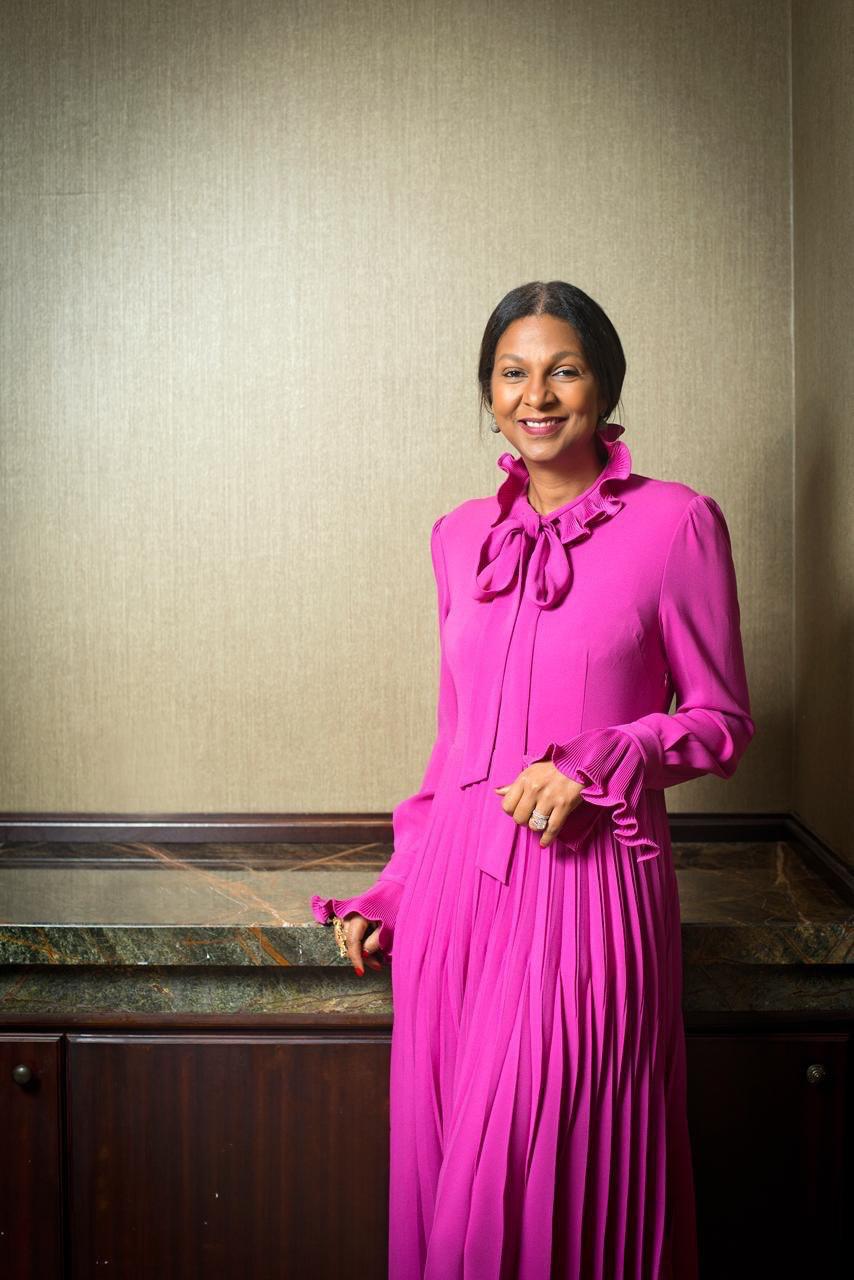
When I think about the impact of female leadership on peace, I don’t think first of theories, data, or speeches I think of moments.
I think of the mother in Belize City who whispered to me, “If you can keep standing up for us, then I can keep standing up for my daughter.” And I think of a young girl – Laura – in a rural village who told me her dream of becoming a lawyer. Not because it was glamorous, but because her best friend had been raped and her attacker walked away with nothing more than a fine. Laura could have walked away. That injustice lit a fire in her. She wanted to be a lawyer not for prestige, but to make sure no other girl would ever be silenced. I could not let her stand alone. I wrote to the judge, demanding harsher penalties for crimes of sexual violence. I pushed lawmakers to confront the truth that our outdated laws, inherited from the UK, failed our women and girls. I worked to revamp those laws so that sentences for rape and sexual assault matched the gravity of the harm done. That is what leadership means: to transform pain into policy. But leadership is also about walking beside the next generation. I helped cover her tuition, bought her books, and made sure money or lack of it would never stand between her and her dream. I became her mentor, guiding her not only in studies but in courage, resilience, and the belief that her voice mattered. Yet this journey was not easy. Seeking justice for that brave young survivor came with heavy challenges. Protecting her identity meant working carefully within a system that was not built to protect victims. Every step forward felt like a battle: against stigma, against silence, against a culture that too often blamed survivors instead of holding perpetrators accountable.
Convincing the Attorney General’s office to sit with mine and comb through antiquated legislation was another battle. Clause by clause, we had to confront laws inherited from another time and place laws that left women vulnerable. There was reluctance. There were delays. At times, it felt like change was always just out of reach.And beyond the legal struggles, there were cultural ones: convincing communities that speaking out was not shameful but brave. Fighting through whispers, resistance, and deeply rooted beliefs that made too many people turn away from victims instead of standing with them. These were the challenges of leadership not glamorous, not easy, but necessary. Because leadership, especially women’s leadership, is not about stepping into comfort. It’s about stepping into the fire, holding steady when resistance rises, and refusing to let setbacks become dead ends. But when the resistance grew heavy, I knew we had to show that this was not just my fight or the fight of one young girl. It was the fight of every woman who had ever been silenced, dismissed, or denied justice. That is just one of the reasons why my office organized the 20,000 Strong Women’s March under the theme – Imagine A Belize Without Women – a powerful show of strength for all women facing injustice, discrimination, or even simply searching for a sense of belonging.
Speech
On that day, the streets of Belize filled with women and girls from every walk of life: teachers, farmers, nurses, students, mothers, daughters. They came together to remind our nation that women’s voices cannot be ignored. For me, that march was more than a moment of national solidarity it was proof of the strength we could build as a region. Because I knew Belize was not alone. Across the Caribbean, our sisters were grappling with the same struggles: gender-based violence, teenage pregnancy, the spread of HIV/AIDS, mental health, ending cervical cancer.
These challenges transcended borders, and they demanded a united response. That belief pushed me into action. Out of that conviction, we launched SCLAN the Spouses of CARICOM Leaders Action Network to bring First Ladies and Spouses together in Belize for the very first time. We committed ourselves to working across our nations, strengthening each other, and building a united Caribbean voice on behalf of the most vulnerable. Because when women lead collectively, we do more than raise awareness we move policy, shift culture, and bring hope where it was once denied.
And we saw, right there in Belize and across our region, that women were not simply witnesses to change they were the drivers of it. But this lesson is not only for Belize or the Caribbean.
Around the world, we see that when women lead, peace becomes possible and sustainable. Women’s leadership ensures that recovery is not just about ending conflict, but about building justice, inclusion, and reconciliation.
Think of First Lady Graça Machel of Mozambique who, after years of civil war, worked tirelessly to reintegrate child soldiers, to advocate for education, and to heal communities torn apart by violence. She understood that peace was not just signed on paper, but built in classrooms, in homes, and in the everyday lives of women and children.
And today, in the midst of one of the most devastating conflicts of our time, Ukraine’s First Lady, Olena Zelenska, has shown us how women in leadership can create global solidarity. She launched the Summit of First Ladies and Gentlemen bringing together partners from around the world to strengthen humanitarian responses, protect mental health, and safeguard families affected by war. Her vision turned the role of “First Lady” into a platform for diplomacy, unity, and peacebuilding at a moment when her nation needed it most. These examples remind us that women in leadership are not ornamental. They are transformational. Whether in Belize, across the Caribbean, in Africa, or in Ukraine women leaders are shaping peace not as an abstract concept, but as a lived reality for millions. And so my call today is simple: let us keep advancing women’s leadership as the pathway to peace.
Let us recognize that when women are empowered, societies are strengthened. When women lead, justice becomes possible. And when women unite, peace becomes sustainable. Because peace is not only the absence of war.
It is the presence of justice, the guarantee of dignity, and the courage of leadership. And that is the gift women bring to our world.
Speech 03The significance of female leadership in peace processes: Women, Peace, and Security (WPS)Dr. Amrita Kapur Secretary General of Women’s International League for Peace and Freedom (WILPF)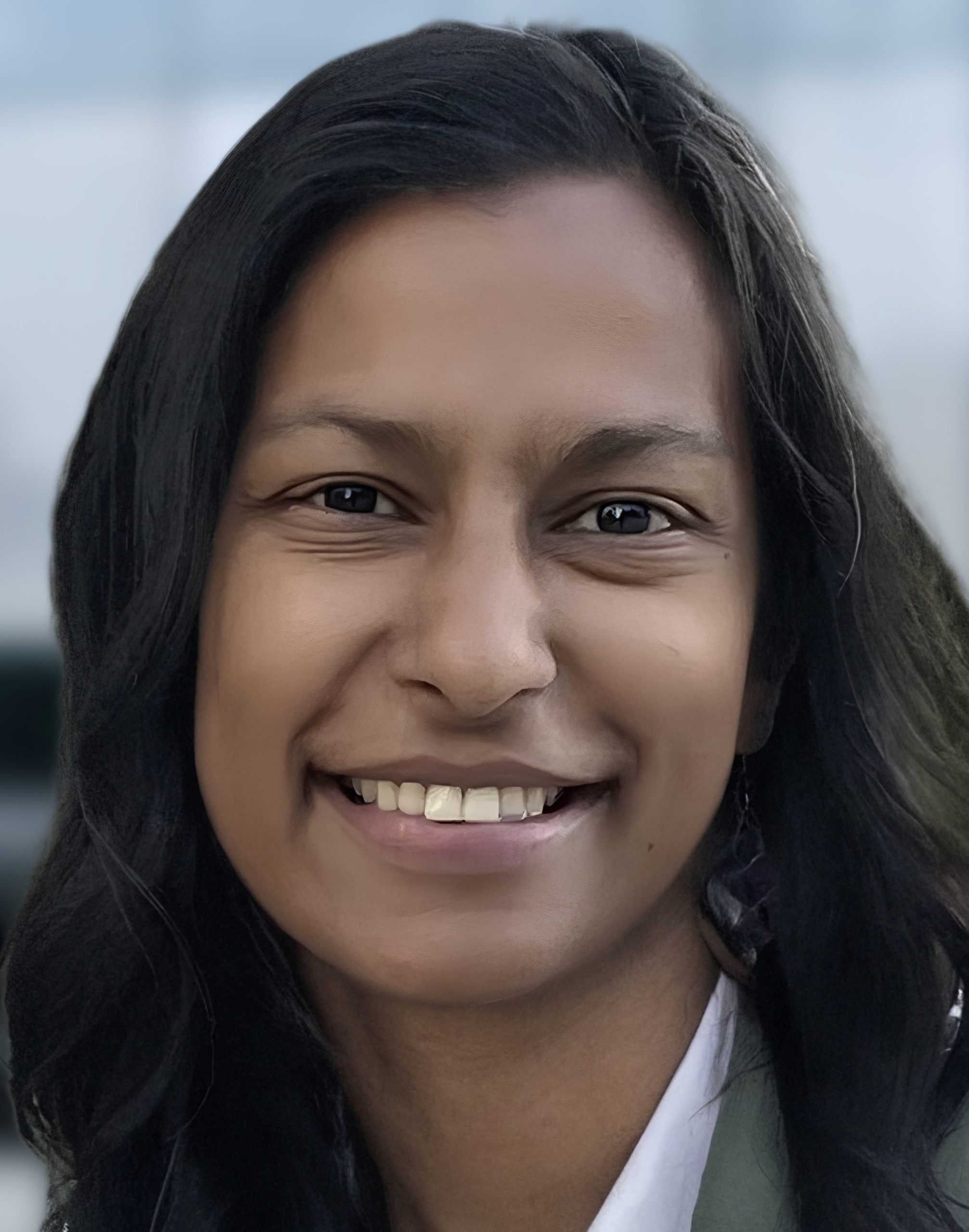
Excellencies, colleagues, friends – thank you for this opportunity.
It is a privilege to represent Women’s International League for Peace and Freedom, WILPF, the world’s oldest women’s peace organization, in this important discussion on the significance of female leadership in peace processes.
WILPF was established in 1915, born from the conviction that inclusive and sustainable peace requires dismantling the root causes of war and militarism, and centering women’s leadership at every level. Today, that conviction is more important than ever. Over the last twenty-five years, since the adoption of Security Council Resolution 1325, we have seen an extraordinary expansion of international and national-level commitments to women, peace, and security. More than 100 countries have developed National Action Plans. Countless policy frameworks now echo the importance of women’s participation in peace and security. Yet on the ground, these commitments often remain words on paper.
The translation from international pledges to local realities is fraught with gaps: Funding for local women peacebuilders is inconsistent and minimal compared to investments in militarized responses.
National Action Plans too often remain government-owned documents, with little real partnership with grassroots women’s groups.
Women’s participation is invited, but rarely resourced or empowered to shift outcomes.
Global frameworks have been institutionalized while local women continue to be excluded from decision-making that shapes their futures. Without inclusive partnerships that connect global and national frameworks to the lived realities of local communities, the WPS agenda has proven to be more symbolic than transformative. This is not merely an implementation problem; it is a structural one. 5 years ago, WILPF produced an analysis that identified the contemporary key challenges to women’s meaningful participation and leadership in peace processes: these are militarism and militarization, patriarchal and political undermining of the agenda, and a lack of accountability for implementation.
Today, these structural barriers seem more daunting than ever. While everything has changed, nothing has changed. We have an institutionalized framework with four pillars – participation, protection, prevention, and relief and recovery. We know that Speech
the predominant focus has been on women’s participation, with many peace tables now reporting female presence, but that this presence, even when achieved, does not always translate into influence.
Too often, participation is tokenistic: one or two women in the room, without voice, without vote, without resources.
Participation is not just about representation, it is about a meaningful and real capacity to influence decisions and transform the structures that enable, facilitate, or drive conflict.
Beyond participation, the State-centric institutionalization of the Agenda has led to a fundamental mistake: we have mistaken the map for the territory.
Over the past 25 years, the Women, Peace and Security agenda has been increasingly securitised – framed through a militarised lens rather than a feminist peace lens. For example, in many National Action Plans, implementation has been led by Ministries of Defense rather than Ministries of Gender or civil society, with resources channelled towards training women for military and police roles rather than resourcing women’s peacebuilding.
In Afghanistan and Iraq, WPS was invoked to justify foreign military interventions under the guise of “protecting women,” while local women peacebuilders struggled for recognition and support. Similarly, donor funding often prioritises women’s integration into counterterrorism and security sector reform, rather than addressing the root causes of conflict or resourcing community-based women’s organisations.
This shift reduces WPS to a tool of national security policy, rather than a transformative framework for peace and justice. And more fundamentally, we have lost sight of the overall purpose of the Agenda – to build commitment and momentum towards inclusive and sustainable peace.
We have “added women” to security and failed to create accountability mechanisms to ensure that actions are meaningfully and measurably linked to promoting peace. At WILPF, we insist that WPS should not be a side conversation or a checkbox in peace processes. It must be understood as a genuine tool to achieve sustainable peace – one that requires a shift away from militarized security toward feminist peace, grounded in disarmament, justice, equality, and rights.
For this, we must reconceptualize the WPS Agenda with prevention as the umbrella pillar, or the overall objective which the other pillars are in service of: if relief and recovery, protection and participation fail to prevent conflict, then we are not breaking the cycle of violence and conflict – we are merely becoming better at managing its devastating consequences.
This is why WILPF is launching our global advocacy campaign, “Move the Money” to highlight how we all lose when resources are directed to the military instead of human rights, gender equality, and peace. Our campaign is urgent because every dollar spent on weapons is a dollar stolen from people’s survival and from our collective future. Through advocacy, mobilisation, and collective action, we’re bringing together members, allies, and partners worldwide to demand a shift in priorities: from funding war to building peace. I invite you to join us.
Finally, I want to reflect on the structural significance of women’s leadership. Time and again, we have seen that when women lead, crises can become opportunities capable of fostering inclusive and sustainable peace.
Women have mobilized ceasefires in communities where national agreements failed, as WILPF partners did in Colombia.
They have brokered humanitarian corridors where official negotiations broke down, as seen in Syria, where WILPF-supported networks of women coordinated cross-line relief.
They have rebuilt trust across divides, even under occupation and displacement, as WILPF sections in Palestine and Bosnia have done by sustaining dialogue and solidarity across communities.
These are not anecdotes – they are evidence that women’s leadership is not supplementary; It is fundamental to peace.
Twenty-five years on, it is time for a critical reassessment.
Is the WPS Agenda merely reinforcing the status quo,
or can we use the framework to dismantle the structures of power that drive conflict – patriarchy, militarism, racism, colonialism, and capitalism?
Colleagues, WPS is at a crossroads.
We must reclaim it as a living, transformative agenda – one that delivers justice, inclusion, and real peace for communities worldwide.
For WILPF, the choice is clear: we must push forward, with women’s leadership at the center, with inclusive partnerships as the bridge, and with feminist visions of peace as the goal.
Thank you.
Part 02Women’s insight: the roadmap toward world peace
Speech 01Women, the designers of peace and sustainabilityMrs. Boojoo Lakshmi Advisor on Gender Issues of the Ministry of Environment and Climate Change of Mongolia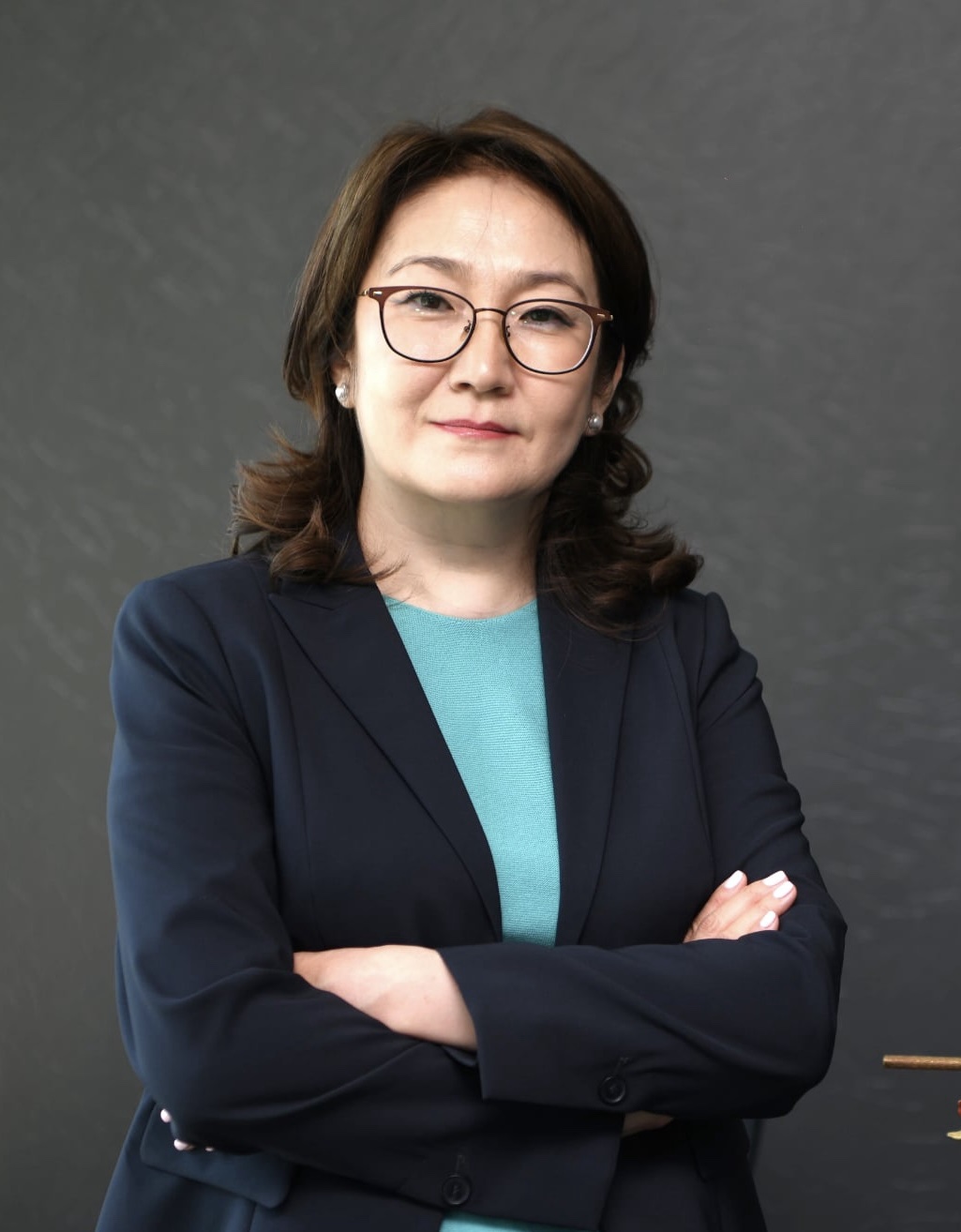
We are living in a volatile, uncertain, complex and ambiguous world – a world often described as VUCA.
Every day, we face rapid changes that challenge our stability, unexpected events that test our confidence, and complex problems that require us to think differently. The challenges we face today are complex and multidimensional. Climate change, armed conflicts, political tensions have become reality today. Every day in the news we hear that in one region there are natural disasters taking place like floods in India, in other region about fire like in Spain a month ago. And women, children and vulnerable groups are disproportionally affected. So why also countries and international community highlights the Gender equality. Gender equality empowers societies to build resilience and foster peace. Impacts of challenges we face today are reflected in the economic sectors, food insecurity, biodiversity loss. People are fleeing in search of safety, poverty and lack of opportunity. But what is Peace? Is a country peaceful, if there is no war? NO. Peace is not only the absence of war or natural disasters, but the presence of justice, equality and human rights. Women are underrepresented in peace negotiations, but also at the decision making level like parliament, government and local governments. What are the benefits of having more women on the decision making level?
Women’s leadership improves peace agreements durability.
Women politicians give more attention to social welfare, legal protections and improve trust.
Empowering women in climate action strengthens communities.
Peace, gender equality and climate change are an interconnected triangle. But while VUCA describes the difficulties, it also invites us to build new strengths. In times of volatility, we need vision. In moments of uncertainty, we must seek understanding. When faced with complexity, we require clarity. And in the face of ambiguity, we should show agility. Our task is not only to adapt to this world, but to transform it – by supporting one another, sharing knowledge, and acting with courage.
Together, we can turn challenges into opportunities and uncertainty into progress. Each of us has a role – trough advocacy, awareness, leadership and action – to contribute to a more peaceful, equal, and sustainable world. The most important thing is – we women- have to support each other and work together. Only then we can achieve peace, fight climate change, and ensure gender equity.
Encourage dialogue and mediation to resolve conflicts peacefully, increase representation of Women in Peace negotiations and dialogue.
Speech
Speech 02From conflict zone to cradle of peace: transformation brought by female leadershipHon. Maria Theresa R. Timbol Vice Mayor of Kapalong, Davao Del Norte, Republic of the Philippines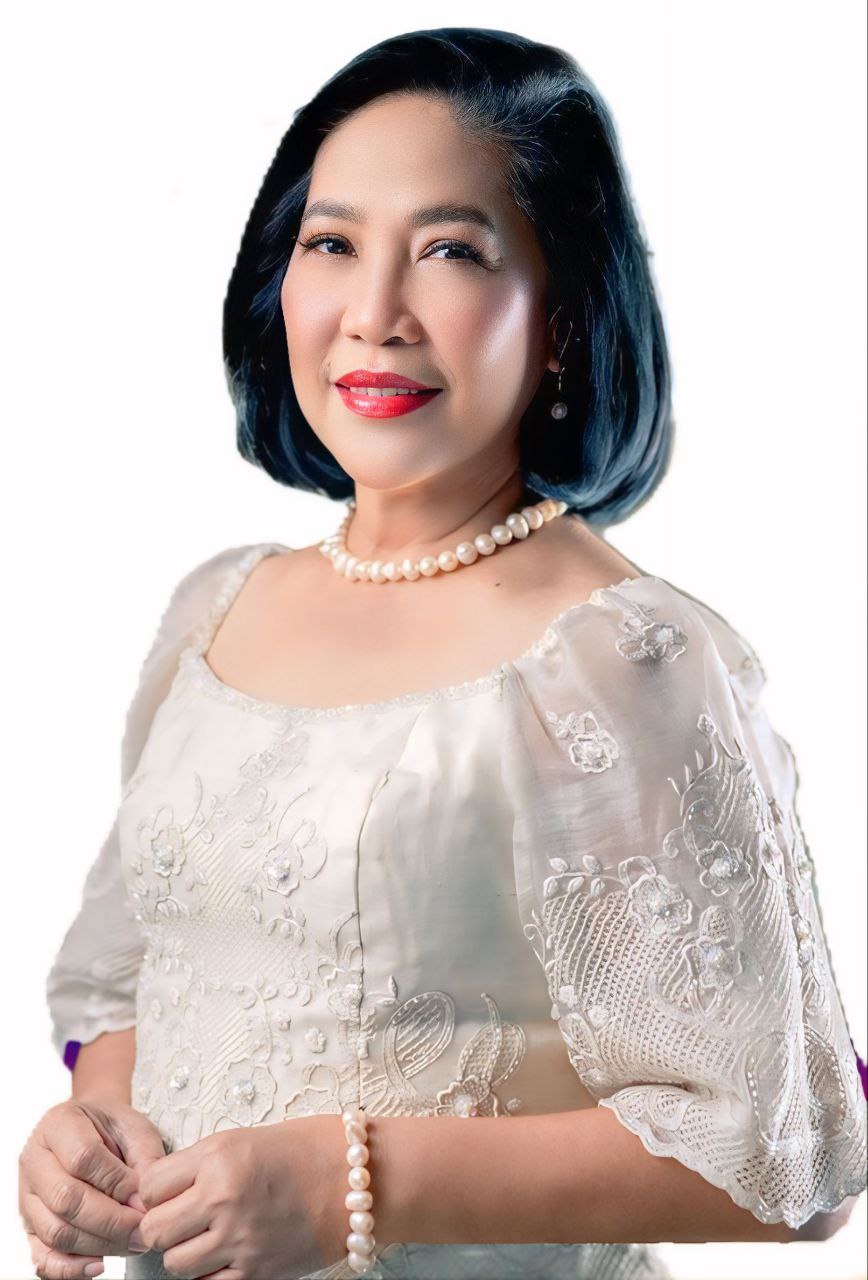
“The journey toward peace does not end with an agreement—it begins there.” In Mindanao, we have seen how post-peace agreement challenges demand more than words on paper. Communities must work to stabilize peace, rebuild trust, and create spaces where reconciliation can thrive.
In Kapalong, this has been our shared mission. Through the Kapalong Peace Talk, active engagement with Indigenous People leaders and the Bagani—tribal warrior-leaders chosen by their clans—has fostered understanding, preserved cultural harmony, and strengthened solidarity. Our commitment was sealed through the Peace Pact, now eight years in the making. Each year, we renew this covenant with Peace Day, celebrated for nine consecutive years. It has become a tradition of unity, cultural pride, and hope for future generations. But true peace also means empowering the
marginalized. By creating Indigenous Political Structures and establishing Indigenous Peoples Mandatory Representatives in every barangay, Kapalong ensured inclusivity in governance.
Communities once unheard are now represented, their voices shaping decisions and preserving cultural identity. These efforts paved the way for a milestone: in June 2022, the Province of Davao del Norte was declared insurgency-free. In Gupitan, once a stronghold of armed insurgency, former rebels have laid down their arms and returned to the fold of peace.
Peace is also about health and dignity. This is why we partnered with the World Health Organization in the End Tuberculosis Program—an initiative that goes beyond curing disease. For us, eradicating TB means eradicating stigma and hopelessness among the poor and vulnerable. When communities are healthy, families can thrive, children can dream, and people can contribute to nation-building. Health security is peace security. As a woman leader, I have seen how compassion and dialogue can move hearts where force cannot. This is the roadmap we humbly offer to the world: peace built not by force, but by trust and unity. What if a place once feared for violence could be reborn as a symbol of peace? From conflict zone to cradle of peace—this is the journey of Kapalong Green Paradise. Once a notorious slum beside a local high school, it was known for gangs and violence. Today, through vision, inclusivity, and compassionate governance, it has been transformed into a sanctuary for joggers, Zumba enthusiasts, volleyball players, students, and families. More than a park, it is a living classroom Speech
where young people see that transformation is possible—that a place marked by division can be reborn as a symbol of harmony.
In Kapalong, women once silent have become leaders of peace, cooperation, and solidarity. Through the International Women’s Peace Group, we established Peace Lecturer Training and Education for Women.
Many now serve as peace educators, teaching their neighbors and the younger generation that dialogue, not division, is the path forward.
Partnerships with the National Federation of Women’s Councils(NFWC) of the Philippines strengthened this work, connecting our women to a wider network of peacebuilders. Women in Kapalong have taken active roles in peace pacts, sustained an eight-year commitment to tribal unity, led livelihood cooperatives for family stability, and safeguarded indigenous heritage through cultural programs. The women of Kapalong once silent in the margins are now pillars of cooperation, solidarity, and inclusive governance.
This is our message to the world: when women are educated, empowered, and united, they do not just build communities they build bridges toward lasting peace. “To every woman across the world, I say this: your voice matters, your presence matters, and your leadership is essential in building peace.”
In Kapalong, transformation happened because women were given the space to lead. Women became educators, negotiators, and peacebuilders proving that peace is strongest when women are included. And this story is not ours alone. It can belong to every community.
When women lead, they lead not only for themselves, but for their families and for generations to come. That is why we must continue creating spaces where women’s insights are heard, their contributions valued, and their leadership recognized as the cornerstone of sustainable peace.
So I call to my fellow women across the globe: believe in your strength.
Do not silence your voice, for it carries the power to heal. Do not doubt your worth, for it holds the key to unity. And do not fear to lead, for your courage can light the path to a more peaceful world.
Together, let us rise—not just as keepers of peace, but as its architects. Together, let us inspire nations, transform communities, and shape a future where peace is no longer a dream, but a shared reality.
And let us remember this: when women lead, peace follows.
Speech 03Providing Female Leadership in all consultations on Climate Change, Water, Peace and SecurityMs. Ruth A. Richardson Secretary General of International Network of Liberal Women (INLW), Netherlands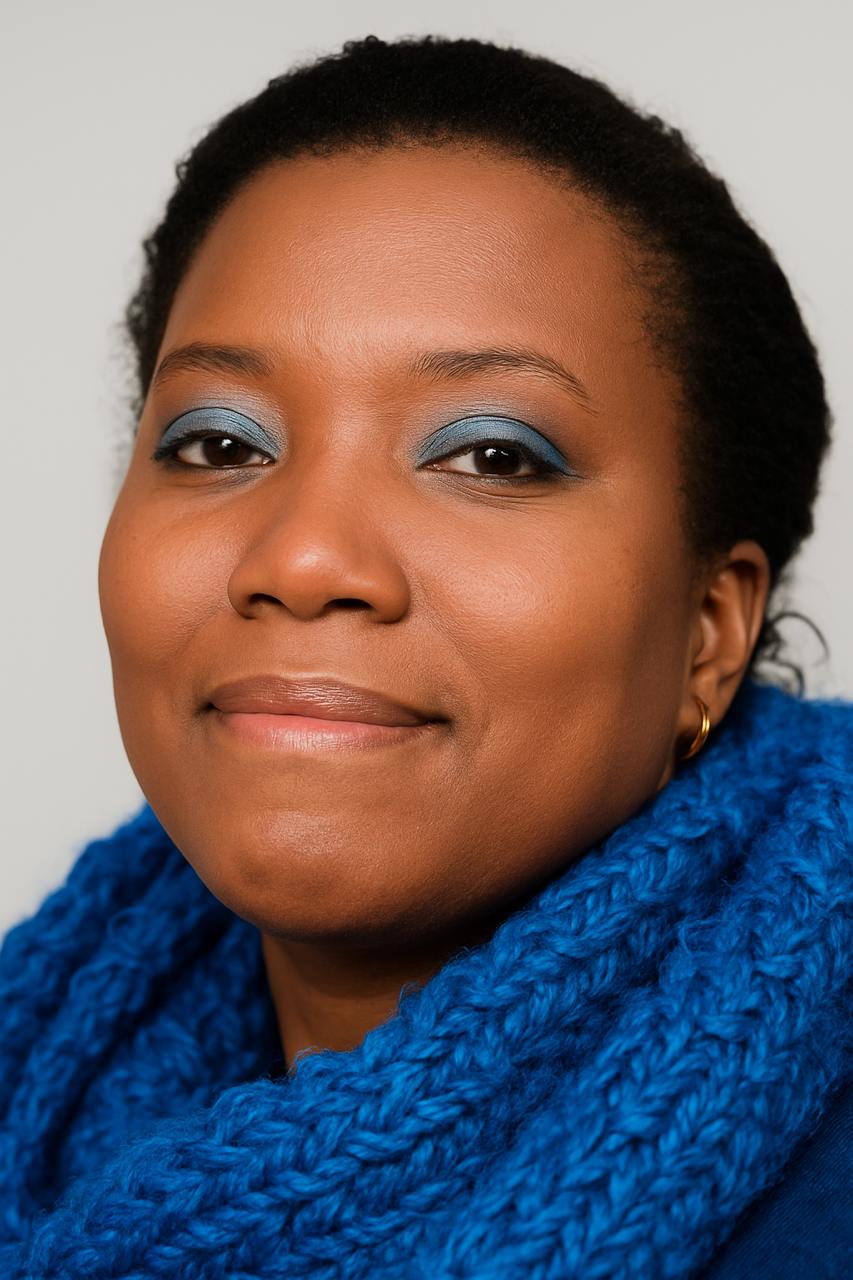
Distinguished colleagues, I am speaking on behalf of the International Network of Liberal Women (INLW) to emphasize female leadership in achieving sustainable peace and security.
First of all, I want to thank the International Women Peace Group (IWPG) for inviting me to speak at the International Women’s Peace Conference.
When I came to live in the Netherlands, I worked and took various courses and training programs to improve my skills and organizations. I always understood that people of color have to work harder to prove themselves because people are used to seeing people of colour as lazy. I even saw the climate changing dramatically over time. I got the opportunity with two other young women to be co-founder of the young women’s network at the Federation of Dutch Trade Unions department Women’s Union. There, along with another networker, I helped Black and white women of diverse sexual orientations by organizing workshops on meet and greet on weigh your balance, spiritual yoga to connect with each other. And organized meet and eat with Power Women.
At age 35, I regularly experienced and missed opportunities because of the color of my skin. I also became unsure of my knowledge and skills. For a long time, I believed that to be successful, I had to be constantly busy with my studies such as “Top women on board” , information manager and let other people see that Black women are not stupid. As a Black woman, I have come to understand that I have always been required to work harder, develop, and grow in all aspects of my life, at every moment.
True Women and Slavery we are raised with the idea that we can measure a person’s worth by the colour of their skin, how hard we work and how much responsibility we have.
One day I wonder around the streets and ask myself how I can get by and make something out of myself. I even found myself crying and turned to my higher being in my spirituality to help me and guide me. And eventually, I got my feet back on the ground when love that guide me and a great job came my way. I went to work at the Dutch water board. When I started working at the Dutch Water Board, I had to improve myself.
That’s how they saw that I have much more to offer than just a project assistant. Speech
At the water board, one of my colleagues give a presentation about his trip to Africa and highlights the importance of women’s perspectives and experiences in addressing these interconnected issues. I learned that women in other countries, such as Africa, Asia and South America, don’t have it easy when it comes to fresh water, food for their families, peace, and security.
I felt compelled to take action for the rights of women and girls after hearing my colleague’s presentation. I guess this is my calling to help other people, since this is how I was raised.
True INLW and got the chance to help women and girls by volunteering. And I looked into the different and often leading lifestyles of women who care about climate change. I have asked the director at the Dutch water board if I can form a working group where we can discuss about how women are so important in finding solutions. And why women are fighting every day for peace and safety everywhere. Peace is also affected by climate change, especially where people live.
During the 2023 UN Water Conference, I personally planned a side event to give women a platform to share their stories, overcoming water barriers in their communities through education and peace.
One of the women who attended my side event was from Kenya. Her name is Anita Soina. She talked about how she teaches and learn teens and young women about things like water, sanitation, and climate change.
As an observer with special status at the KCI Committee within the UNFCCC, I also have the opportunity to contribute by taking on decision-making roles and to strengthen the position of women and in technology, to get more women involved in the design and implementation of climate policies and projects and for safeguarding of women rights and for promoting peace and security. But as time passes, I occasionally reflect on what shaped me into the woman I am today, fighting for peace, security, gender equality, and women’s rights.
Even though my mom has to deal with tough times to raise me, struggling to put a plate of food on the table, to cloth, to protect me and teach me spirituality so I can become the woman who I am now today. She taught me to think of the homeless, the poorest among us, the children who are starving, and for salvation and peace. I’ll never forget how strong and brave I am, which is what made me decide to fight discrimination and to bring peace and love and happiness to our women and children.
“We may have different religions, different languages, different colored skin, but we all belong to one human race. By Kofi Annan
Part 03Women’s Participation: the foundation of sustainable peace
Speech 01Endeavor to institutionalize peace: DPCW and womenMs. Mampurane Caron Kgomo Deputy Director of Gender and Diversity Management Unit, Department of International Relations and Cooperation (DIRCO) of the Republic of South Africa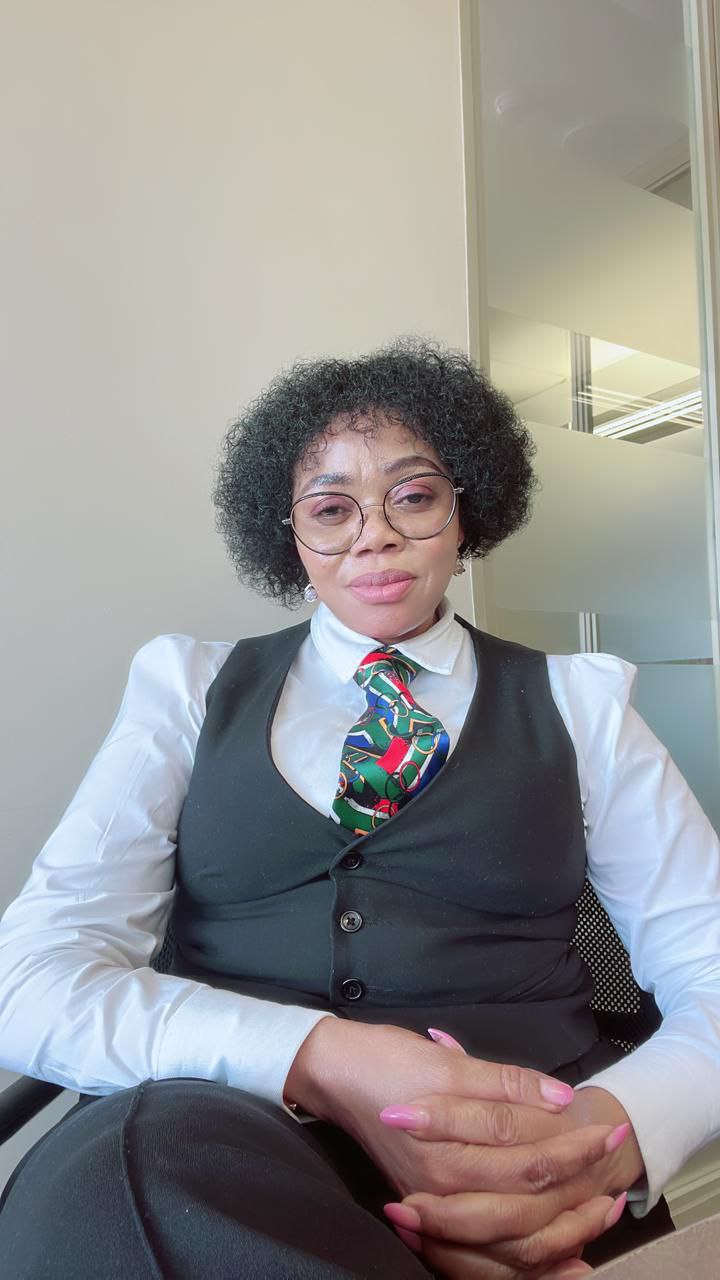
Good morning, distinguished guests, fellow women leaders, and peace advocates. My name is Mampurane Caron Kgomo, I am honoured to represent South Africa at this year’s International Women’s Peace Conference, speaking.
The theme for my talk is “Endeavor to Institutionalize Peace: Declaration of Peace , Cessation of War (DPCW) and Women.”
As women collectively, we echo the sentiment expressed by H.E. Phumzile Mlambo-Ngcuka: “We need to bring our heads and our hearts together and change the way we think about and act on violence against women and girls. This is not just a women’s issue; it is a human rights issue and a necessary requirement for sustainable peace.” This profound statement was made during the UN Women’s HeForShe Campaign on 20 September 2014, Echoing Peace as a sustainable clarion call
Women have frequently been viewed as nothing more than victims of war and strife over the course of history. But today, we stand here in a position far greater: as leaders, as peacebuilders, as irreplaceable voices in shaping recovery and reconciliation. This reality was acknowledged by the Women, Peace, and Security Agenda, which was a resolution passed by the United Nations in 1325. This resolution noted that there is no possibility of a lasting peace without women.
However, difficulties persist even after this acknowledgement :
Many women at the grassroots level are still unable to enter places where decisions are made
Women-led initiatives continue to face a lack of resources.
Our voices are bound by cultural and institutional obstacles.
All too frequently, political determination wanes prior to the fulfilment of commitments.
Although we have made some progress, these issues show us that there is still a long way to go.
This is why the institutionalization of peace is so important. Short-term projects are valuable, but they can disappear with leadership changes or funding cuts. Laws, however, endure. Institutions safeguard peace efforts and make them part of the foundation of society. The Declaration of Peace and Cessation of War (DPCW) provides such a framework a set of principles that can translate our aspirations into enforceable, lasting reality.
Speech
Because of its worldwide perspective and commitment to diversity, I started to believe in the DPCW. Communities, civil society, and women like us are the intended audience, not just politicians and diplomats. We have seen the transformational power of laws in South Africa. In addition to bravery, the institutional structures that transformed hope into justice were crucial in paving the way from apartheid to democracy. In my view, the DPCW is reflective of this same truth : for peace to last, it must be codified into law. And here is where women play a critical role. Women bring perspectives that are too often missing from peace tables—perspectives grounded in lived experience. When women participate in shaping laws, they ensure that peace is not just an abstract principle, but a practical, inclusive reality. We transform grassroots struggles into institutional language. We ensure that justice is not selective, but comprehensive. By participating in legislative processes, women move from being voices on the margins to becoming architects of the structures that sustain peace.
As I close, my message is simple: To my fellow women leaders and peace activists across the world—do not underestimate your role. Act with courage. Come together across all cultures and nationalities. It is important to advocate for frameworks such as the DPCW that provide a legal basis for peace. Due to the fact that we are not merely participants in peace processes, but rather, we are the very architects of peace Join me as I step into action with this melodious Peace Song
Thank you.
Speech 02Women in civil society: for sustainable peace in a divided nationMs. Lee Hae-ryoung Finance Director of the North Korean Defectors’ Hope Club, Republic of Korea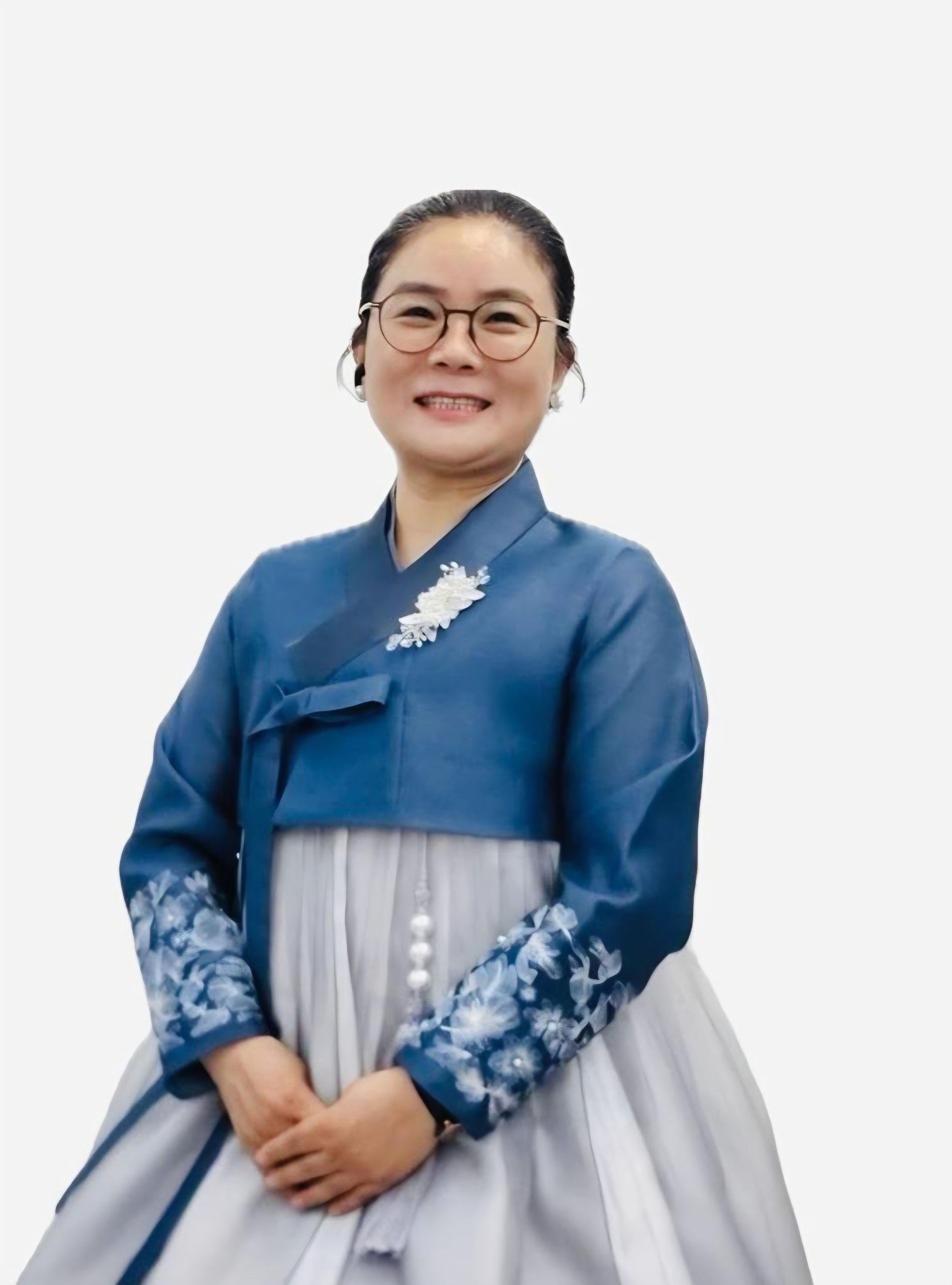
Hello, I wish to express my deepest gratitude to our distinguished guests, our beloved members, and all who have gathered here today with a shared purpose the pursuit of peace.
Ten years ago, I left North Korea and resettled in the Republic of Korea. Today, I stand before you as a North Korean refugee, walking together with you on the path of peace. I am Lee Hae-ryoung.
Today, I wish to go beyond sharing my personal story. I would like to speak about the concrete roles and responsibilities of women in building sustainable peace on the Korean Peninsula a land still divided.
Ten years ago, when I first set foot in the Republic of Korea, my life became both a profound challenge and a new beginning. Although we are one Korean people, I found that there were many things I could not understand, even in language. Cultural barriers, as well as social structures that made it difficult for women to exercise independent capacities, created hardships for many North Korean women who had resettled. And beyond that, the memories of deception, betrayal, and inhumane acts I had endured in North Korea were impossible to forget.
However, with the support of the 하나Center, the dedication of social workers, and the trust and communication I built with IWPG, I was able to take root firmly in my new life. Through this process, I came to a conviction: that North Korean women — who are living witnesses of the reality inside the North and who serve as the strongest bridge connecting the two Koreas must become active members of society and essential agents of peace on the Korean Peninsula.
Yet today, peace in my homeland remains adrift and in grave crisis. Chairman Kim Jong-un has no concern for reunification or the concept of one Korean people. Instead, he designates the South as an enemy state and insists on “peace through power” by accelerating nuclear development. Under his rule, the people of North Korea remain blindfolded, cut off from the world, unaware of how the steps toward peace are unfolding. They are dragged along by the regime’s nuclear policies and endure unimaginable suffering.
For me, this is deeply personal. I cannot return to my hometown just across the border. I cannot even make a simple phone call something the rest of the world takes for granted to learn whether my parents and siblings are alive. My own father was taken by the authorities, beaten, and killed simply because I had escaped.
The destruction of inter-Korean roads once the only lifeline of peace and the regime’s threats against the families of defectors left behind in the North are yet more evidence. Speech
These inhumane acts north of the 38th parallel are not only tragedies for my people; they are also formidable obstacles on the path to peace.
I cannot return to the hometown that lies just beyond my reach. I cannot even make a simple phone call something the rest of the world takes for granted to know whether my parents and siblings are alive. Yet Chairman Kim Jong-un has destroyed the inter-Korean roads once the only pathway to peace and continues to threaten the families of defectors who remain in the North. My own father was taken by the authorities and beaten to death for no reason other than that I had escaped. Such inhumane acts, rooted in hatred and hostility across the 38th parallel((the Demilitarized Zone (DMZ)), have become a grave obstacle to any genuine progress toward peace. In the face of this reality, true peace cannot be achieved by simply waiting for dialogue to resume. We must confront the truth as it is, and women must take the lead through civil society in building sustainable peace.
In particular, the peace initiatives of IWPG represent a powerful model, bringing together the capacities of women to create peace that is both practical and lasting. As a North Korean defector and a proud member of IWPG, I will actively participate in the peace initiatives organized by IWPG, contributing not only to peace on the Korean Peninsula but also to sustainable peace across the world. I will use my own experience to shed light on the realities of North Korea and to broaden mutual understanding between the people of the North and the South. And I will take an active role in advancing the causes we must achieve together the expansion of peace education and the promotion of women’s rights as we work to shape the future we all deserve.
I will also encourage my fellow North Korean women to take active part in the peace activities organized by IWPG, including the Peace Walk, the International Loving Peace Art Competition, and programs at the IWPG Peace Education Center. In addition, I hope to explore initiatives that will share our journey of peace with my own family members and many friends who remain in North Korea. Sustainable peace does not come to us automatically. It must be built. And it begins when all of us, as women united with the heart of a mother, put this DPCW 10 Articles 38 Clauses into practice. This is the path that opens the way to lasting peace. Especially in a time as grave as today, it is crucial to maintain a clear understanding of North Korea’s direction regarding peace, to continually raise the issue of reunification, and to prepare concrete alternatives. We must also consider the strongest possible measures and actions that can compel the regime of Kim Jong-un to halt its nuclear development and to uphold DPCW 10 Articles 38 Clauses.
Let us all, as women of action, take part in shaping the history of peace. From our families to our societies and local communities, let us exercise leadership grounded in empathy and inclusiveness, and let us stand together in strong solidarity. We, as women who carry the great power of mothers to embrace, to care for, and to guide are the true flowers of peace. It is we who can firmly plant sustainable peace on the Korean Peninsula and sow the seeds of peace across the world. Thank you.
Speech 03Future education for sustainable peaceMs. Lorato Palesa Modongo Representative of Mrs. Simone Yankey-Ouattara Coordinator of AU CIEFFA, Côte d’Ivoire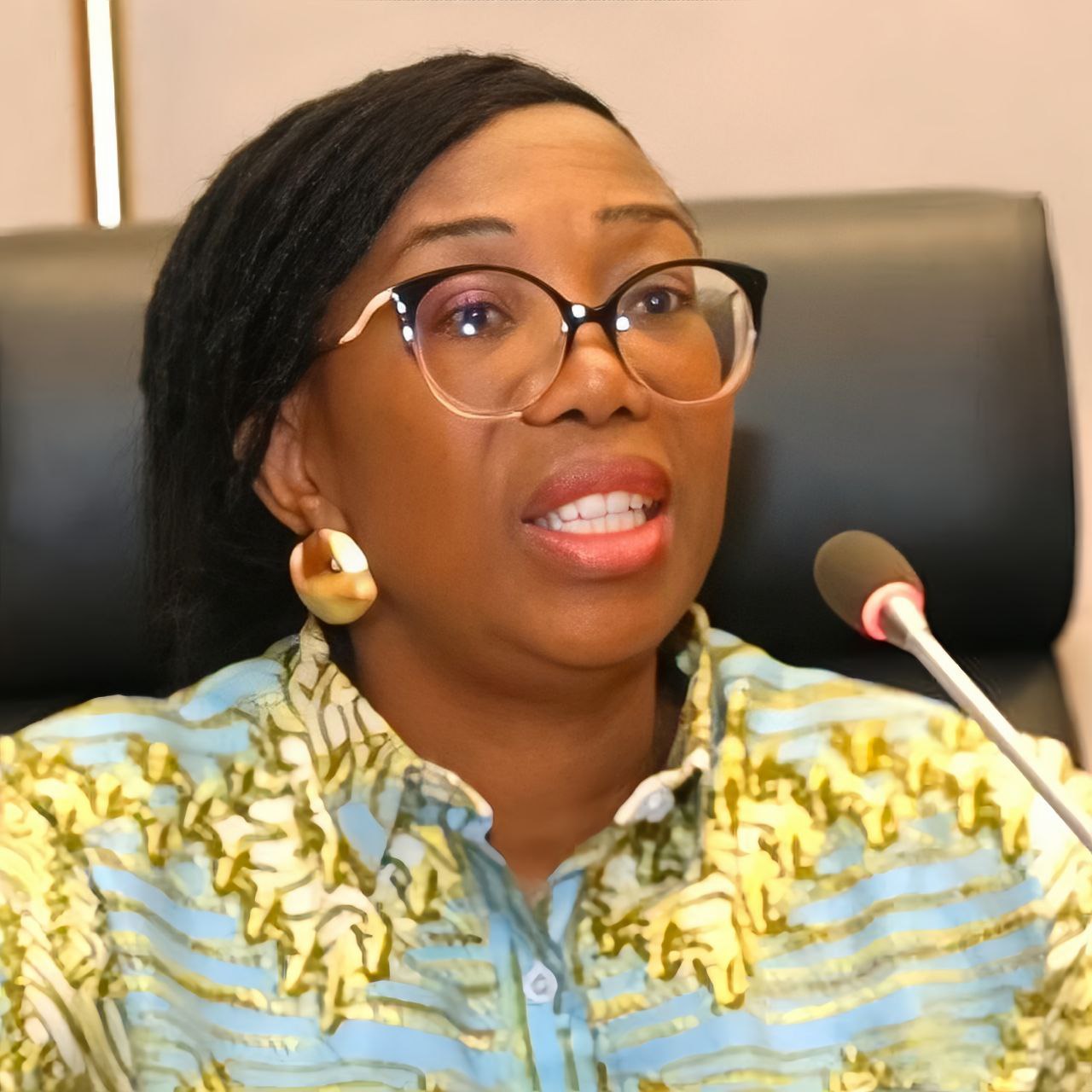
Good day to all the distinguished delegates from all parts of the world present here today.
Please allow me to stand on the already established protocol. My name is Lorato Modongo, and I’m from the African Union International Centre for Girls and Women’s Education.
The African Union CIEFFA is a specialized technical office of the African Union which, since 2004 is mandated to promote girls and women’s education in Africa. The mandate of the African Union CIEFFA covers the 55 African Union Member States, and our office is located in Burkina Faso. Our work aims to accelerate the African Union Agenda 2063, which is an African Union broad ambition and framework. We promote Aspiration 6 which calls for an Africa whose development is people driven and relying on the potential of African people especially its women and youth and caring for children. We are also aligned with the United Nations is SDG 4 which speaks to quality education, and SDG 5 which speaks to gender equality. Our strategic plan has four axes and one of them is on on education in emergencies and humanitarian contexts which is aligned to the United Nations Resolution 1325. As a continental institution our strategic plan looks at curriculum reform and teacher education in emergencies and humanitarian contexts, gender responsive education framework, and steam and skills development. We achieve these through partnerships; one which is seeing us as the African Union CIEFFA being part of the conversation in this conference. This demonstrates the power of intercontinental partnerships to advance our mandate. it is worth noting that our partnership with IWPG was birthed sometime last year at the Pan African Conference for Girls Education held in Addis Ababa Ethiopia, July 2024, and we continued it in an international platform at the United Nations Commission on the Status of Women where we are both championing for education for peace and tranquility, peaceful communities, peaceful societies, and a peaceful global world.
Some of the challenges that we have experienced in Africa in regards to girls accessing education is that there are some socioeconomic barriers including poverty, cultural and social norms where young girls are forced to get into early marriages and some because of early pregnancies they drop out of school. There are also harmful traditional gender roles that favour boys going to school over girls. There is also seeing policy and governance where there is weak implementation and sometimes insufficient data and research and also insufficient funding and lack of sustained budgeting to invest in girls Speech
and Women’s education. Of importance to this conference and AU CIEFFA is that there is also conflict and war and emergencies posing a critical challenge to children accessing education. Where there is no safety, where there is no peace and security, there will be high numbers of school dropouts and out of school children in those areas. There is also school related gender-based violence as well as external and internal displacements which in turn shake up education systems and consequently disrupts peace and security in our communities and our continent.
In 2020 at the onset of the COVID-19 pandemic which sent shockwaves across the globe across systems including the education system, we saw millions of children especially the marginalized ones including girls being left out of school during lockdowns and social distancing. When it was time for schools to reopen, many children did not go back to school. As African Union CIEFFA we saw how detrimental this was in the lives of young children and we therefore launched the Africa Educates Her campaign which I would like to tell you about. The campaign was a call for action to Member States to ensure that children return to school. After the COVID-19 pandemic ended, we were still having large numbers of children out of school; due to poverty, humanitarian contexts, conflict, lack of peace, lack of security. The campaign’s phase 2 prompts Member States, activists, development partners like yourselves, education experts, young people and other key stakeholders to ensure that girls remain in school.
This is two way; if we keep girls in schools then we will advance peace education and ensure that our communities are peaceful.
Secondly if we advance education or access to education access and retention to education, we keep children safe in periods of conflict and crises.
Through this campaign we have had a number of initiatives including the different trainings on education and peace that we have with focal points in ministries of education and gender, the media, youth, traditional and religious leaders, Parlimentarians etc on advancing girls education.
We organized the first African Union Pan African Conference on Girls Education (PANCOGED) in which IWPG was present and this culminated in a call for action and recommendations signed by Member States. We also participate in high level advocacy meetings for example the United nations Commission on the status of women, the summit of the future, transforming education summit, United Nations General Assembly and the African Union heads of state summit in which we collaborate with a number of stakeholders to advance girls education and we have also collaborated with IWPG in which we had a high level forum on ‘girls and women’s empowerment in Africa through education for peace: a pathway to conflict prevention’.
These are some of the recommendations that we make: If you educate girls and women, it is critical for conflict resolution and peace building.
How? educating girls and women ensures that they participate as equal members of the society participating meaningfully for their socioeconomic, cultural, and political lives advancement. If you educate women and girls, you ensure that they play a role as peace builders and mediators. Investment to education allows women to advocate for nonviolent solutions to disputes and participate in peace negotiations as well as promote dialogue and reconciliation within their communities and their countries We recommend that women should be engaged in governance so as to advance policies that prioritize human rights, equity, development and social justice. We recommend that there must be prioritization of gender responsive education frameworks in schools. We also recommend that there must be investment in women teacher leaders to model inclusive decision making and shifting power dynamics and attend to harmful sociocultural norms so as to create peaceful societies. We recommend that there must be direct investment in peace education through private public partnership in building sustainable peace.
We understand that sustainable peace requires sustainable education which includes investing in girls education.
I thank you all for your attention and i hope that you have learnt what the African Union CIEFFA does and the mandate we are advancing and the recommendations that we are putting before all of you.
Thank you.
Closing
Summary & ConclusionFuture of peace envisioned with womenMs. Choi Kyung-nam Secretary General of IWPG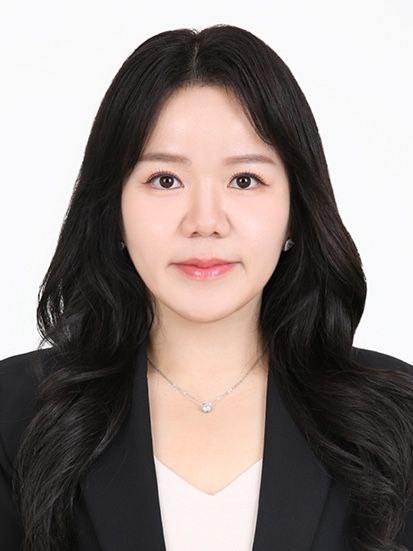
Most distinguished guests,
Good afternoon. I am the Secretary General of the International Women’s Peace Group. First, I extend my deepest gratitude to all the people who have joined the 2025 International Women’s Peace Conference. I also extend my respect to the speakers for sharing their wisdom and insight.
The 1st session was on “Beyond Conflict: Women’s Peace Leadership toward Hope and Recovery,” allowing us to think about the way to go.
Even at this moment, the world is suffering from war, conflict, and disaster. Our job is not just post-war restoration, but opening a new road of hope and recovery. Shalabi’s keynote speech explained why the international society must discuss peace and what direction we should take.
Most importantly, we understood that women’s leadership is the turning point of recovery.
Like H.E. Bintou Founé Samaké said, women have always participated in peacebuilding processes, but there are still many obstacles. This is when women’s leadership is most needed.
As Mrs. Barrow said, female leadership transforms individual wounds into social policy, fights against injustice, and evolves into collective action.
For this end, in 2000, the international society aligned on the Women, Peace, and Security (WPS) agenda, starting with Resolution 1325.
But like Dr. Kapur said, the achievements are still very superficial and military-centric, and do not lead to practical peace actions.
So women’s peace leadership must be practiced not just on the international stage, but on the ground, in local communities, and in our lives.
Like Mrs. Lakshmi said, in front of crises of humanity, such as the climate crisis, women can exert independent and unique influence.
Green Paradise of Kapalong, Mindanao, also transformed into a cradle of peace thanks to women’s inclusive leadership. Vice Mayor Ms. Timbol said, “Women lead not for themselves, but for their family and future generation.” This female leadership is effective on the ground, and it is the momentum of change that we have been lacking so far.
Today, we reaffirmed that peace is not just the absence of conflict.
Ms. Kgomo said that the DPCW (Declaration of Peace and Cessation of War) covers the values of no war, no weapons, human dignity, and the dissemination of a culture of peace.
Summary & Conclusion(SessionⅠ)
The DPCW has already been adopted by many national and local governments,
strengthening our solidarity and advocacy. But peace institutionalization is not enough. The power to sustain peace is the solidarity of civil society and endless work. The Korean peninsula, also living under the scar of division, cannot enter sustainable peace without the practical role of women. This is why education is so important. As Mrs. Simone Yankey-Ouattara highlighted, women’s education enables non-violent solutions, and this is the strongest power to cut the arc of violence and extremism. Educated women will also become editors themselves and spread peace culture to the peace family. This is why we focus on IWPG Peace Education.
Distinguished guests,
Peace does not start from a chant. It starts with small things we can do everyday. When those small actions come together, we can create big change.
I have 2 children. In their faces, I see the future world. I don’t want to be ashamed of myself. I hope our children never know the fear of war and merely live in love and peace.
I think all of you are probably the same. If every one of the 800 female leaders today practice peace, the footsteps would not be 800, but 88,000.
Let’s build a future of peace together.
Thank you.
Main Session IIWomen’s Peace Education · 19 Sep (Fri) 14:00~15:00 · Grand Ballroom
Part 01The echo of peace starting from the public sectorDr. Faiza Abdulraqeb Sallam Undersecretary of the Ministry of Culture of Yemen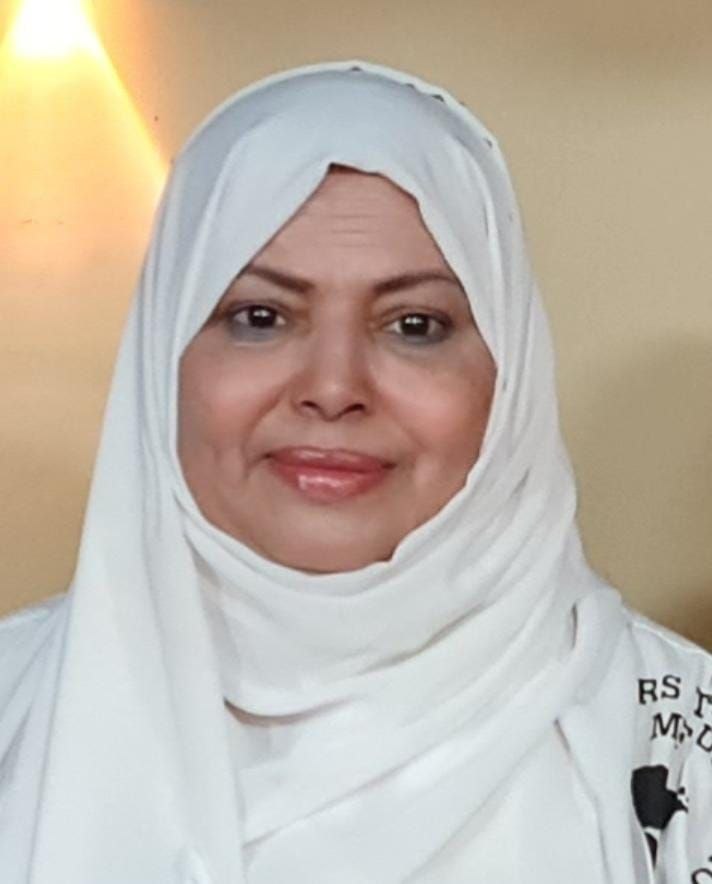
For over a decade, Yemen’s political, economic, and humanitarian crises have deeply impacted women, who bear the greatest suffering and responsibilities.
The war has deepened women’s belief that working for peace is not an option, but an existential necessity for the survival, stability, and rebuilding of their families and communities.
Since the war began, Yemeni women have mediated local conflicts, promoted peace, and joined civil movements, advocating for equal rights and greater decision-making roles.
Women took part in about 40% of local mediation efforts to end conflicts.
Women driving civil initiatives to aid families and support displaced communities and contribute over 30% of relief efforts.
Women’s participation in peace talks remains under 6%, yet they continue to demand stronger representation and inclusion.
With support from IWPG, we engaged in online peace education courses, then taught women, families, and communities how to protect future generations and promote early peace building and conflict resolution.
I have collaborate with women’s organizations through informal initiatives to build local peace networks, spread peace education, and support conflict resolution.
Peace Education and a funny anecdote that happened to me.
Let me share with you a funny story that happened to me while visiting two feuding families.
One day, I tried to mediate between two feuding families. I tried to talk about peace, tolerance, and love, but the atmosphere was gloomy, and everyone stared at me as if I were speaking in an alien language. I took a rope from my bag and asked the children, women, and men to play a jumping jack. Within minutes, the children were laughing, the women were jumping, and the men were also trying to jump.
Then laughter and playful competition grew louder, and voices rose: “Come on, who can jump three times without falling?” Everyone was encouraging one another, and the old animosity suddenly disappeared! This experience proved that group games and activities can effectively teach peace, foster cooperation, and relieve tension, they have the power to solve problems and restore harmony to conflicting communities. Peace Education must become a sustainable national strategy and become a daily practice in the Yemeni lives.
Speech
Peace Education should be integrated into school curricula from primary school through university.
Launching national programs for government, civil society, and women’s organizations, empower women to lead workshops and discussions that promote peace and
cooperation.
These programs are currently being implemented in several governorates in
cooperation with the Yemeni Women’s Union.
Using media and digital technologies to spread the culture of peace, and evaluate their impact and effectiveness.
For example, there are community radio programs supported by UNESCO on youth and peace, and radio dialogues on women and peace.
Peace is a great human value, guaranteeing a safe and stable life free from violence and war. Through peace, justice and development are achieved, societies thrive in an environment of cooperation and coexistence, and people are given the opportunity to innovate, work, and achieve their aspirations.
Peace Education is crucial for instilling values of tolerance, non-violence, justice, and acceptance of others, and for building generations capable of resolving conflicts through dialogue to achieve stable and prosperous societies.
Recommendations:
Organize local workshops for women focusing on Peace Education training,
development, and evaluation.
Establish women’s centers for training in community mediation and conflict resolution.
Activate partnerships with international women’s organizations to exchange experiences in conflict resolution and peace education.
Integrate peace education into national security strategies and curricula at all levels, ensuring sustainability and shaping future generations toward peace. Peace is the foundation for stability and sustainable development, and for a world free of violence and war.
Peace Education is a methodology for building and changing people’s awareness and lifestyles to achieve personal, environment, society, and global peace.
Thank you for listening And many thanks to IWPG for choosing Peace Education, it is a good investment in generations to be able to build peace for a happy and prosperous future.
Part 02Peace education transforming the local communityProf. Erinma Bell Deputy Lieutenant for Greater Manchester, UK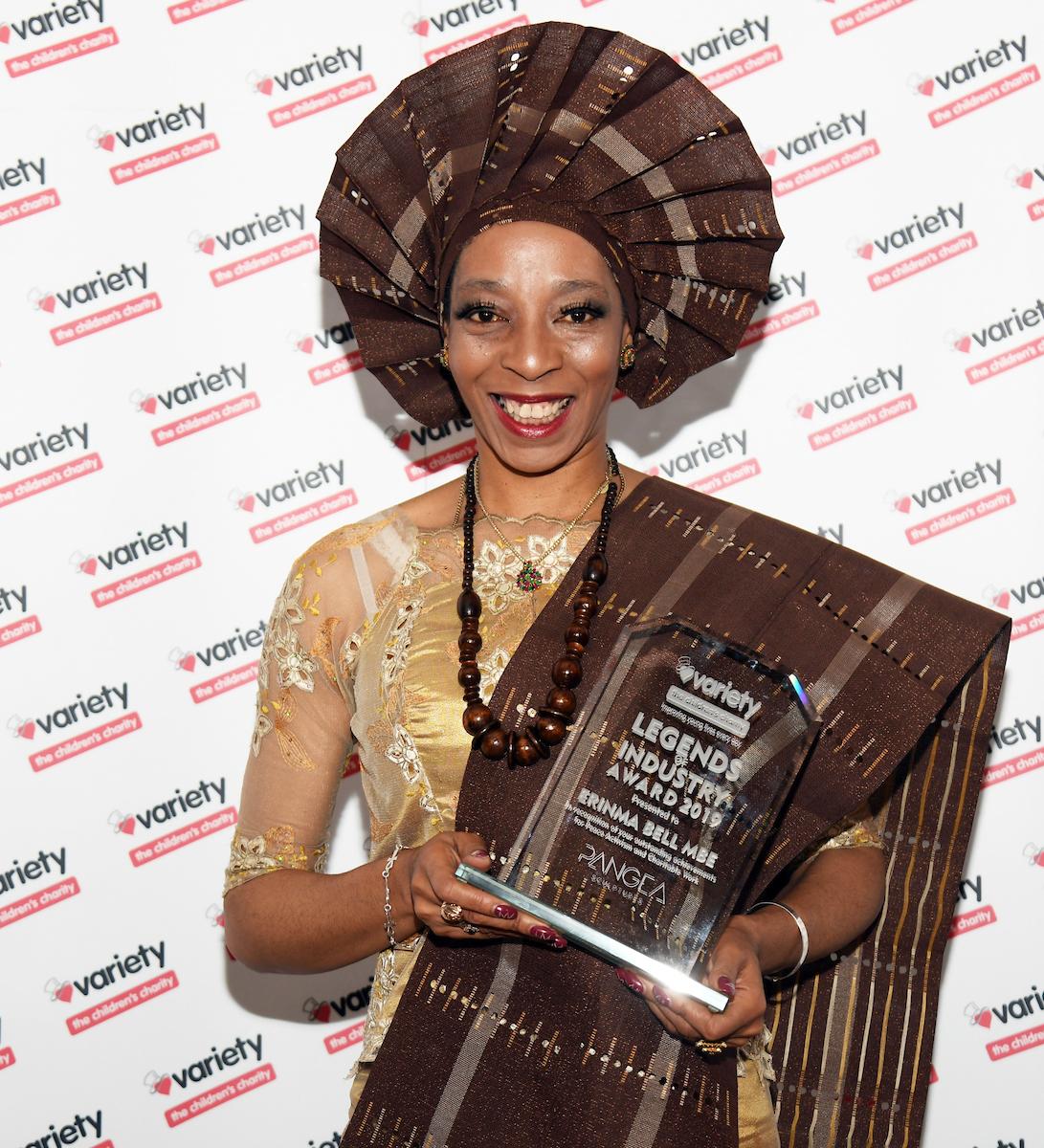
Good day, sisters and peacebuilders.
It is an honour to join you for this important occasion.
I bring you greetings from Manchester, United Kingdom a city that has known hardship through conflict and violence, but also transformation through peacebuilding. My journey in peace work began over 20 years ago, when gun crime and gang violence were devastating families in Manchester. I co-founded CARISMA the Community Alliance for Renewal, Inner South Manchester Area to respond to that crisis.From these experiences, I learned that peace education is not the same for everyone.
In schools, peace means children feeling safe to learn or having friends in the playground.
In businesses, peace means security and stability. In communities, peace means unity and trust. We each hold a different version of peace but peace education allows us to understand, share, and unite around a common meaning. Without that shared
understanding, conflict continues. With it, transformation is possible.
I also speak as a mother, social activist, and educator. Women are the nurturers. Our first role is to be carers setting rules, teaching right from wrong, and preparing children for the outside world. In Manchester, women have carried the heaviest burdens of gun crime and yet, they have also carried the strongest hope. I recall the first truce on gun violence, held at Manchester Cathedral. Women came carrying photographs of sons and daughters who had been killed. If those women educators within their own families had earlier been equipped with tools such as IWPG’s Women’s Peace Education, perhaps those deaths could have been prevented. I also think of meeting Leymah Gbowee, Nobel Peace Prize Laureate from Liberia. She told me of a time during the civil war when women had to take on men’s jobs. One day, as a barber, a woman found herself shaving the head of a man who had murdered her family. Instead of taking revenge, she forgave him. Her decision ended a cycle of violence in that moment. This story shows the power women have to transform conflict into peace. But how many women would have had the strength to make that choice without peace education? This is why the work of Peace work of CARISMA and IWPG’s work is vital.
Education enables individuals and communities to see beyond difference and move as one. I often say: we all have the same book, but we must be on the same chapter, and more importantly, the same page. We all say, “enough is enough.” But unless we agree on what exactly must end, our voices scatter. Peace education brings us into alignment.
Speech
I saw this first-hand when I visited the US Virgin Islands. Communities there, though far from Manchester, faced their own challenges of violence and inequality. Yet, through dialogue and education, we found we were all speaking the same language of peace.
IWPG’s Women’s Peace Education is a tool which can help us reach this shared understanding worldwide.
For me, peace education has been personally transformative. It turned my pain at seeing a close friend gunned down and losing young lives in my community into purpose. In Manchester, many women who join our programmes are not formally “peace activists” they may be teachers, carers, or community organisers. But through peace education, they gain a shared understanding. This creates lasting bonds, stronger communities, and the ability to share the load of peace work together. This is why CARISMA stands with IWPG. The Women’s Peace Education programme is not just about learning it’s about creating a collective movement for transformation. Looking forward, my vision is that Peace Education will:
Be embedded in schools, universities, and community centres worldwide.
Be translated and adapted to reflect local cultures, languages, and lived
experiences.
Be recognised by Governments and NGOs as a core peacebuilding strategy.
And, most importantly, be led by women in every community, ensuring that peace is not an abstract policy but a lived reality.
With IWPG’s leadership, I believe we can create a world where every woman, from Manchester to Monrovia, from Seoul to the US Virgin Islands, has access to the education that makes peace possible.
I close with IWPG’s words:“When women unite for peace, wars will come to an end.” From Manchester, I have seen that peace is fragile, but also possible. Through education, unity, and women’s leadership, we can transform not only our local communities, but also our world.
Thank you, and peace be with you all.
Positive Energy Always Creates Elevation = P.E.A.C.E.
Part 02Peace sensitivity cultivated through educationMs. Kham Yin Director of Shan Women Development Network(SWDN) of Myanmar
Hello, My name is Nang Kham Yin, and I am from the northern part of Myanmar. This is my first time participating in this event, and I would like to express my special thanks to the leaders of IWPG for inviting me.
I also feel truly honored and delighted to meet peace-loving women and leaders from various countries who have gathered here. As the founder and leader of a women’s organization, I have been working together with women in my region to promote peace and harmony, as well as to empower more women leaders to emerge. Due to the ongoing conflicts and unstable situation in the region, women are facing psychological distress and physical suffering. Therefore, to provide at least some form of mental healing, we have been relying on IWPG’s Peace Education Course to raise Peace Awareness.
The main focus has been to help women recognize their own value, learn to appreciate themselves, and gain deeper understanding about Inner Peace. As a result, the women attending the training have begun to experience some relief from anxiety and mental stress. However, in order to expand this Peace Awareness training to reach more women, we also conducted a PLTE (Peace Lecturer Training Education) course once in early 2025 to develop human resources who can help carry out this mission further. In the Peace Education courses provided for women, the participants have learned to value themselves, to respect others, and to take the lead in promoting peace within their families. For the development and peace of the community, women themselves have started to make decisions and to collaborate actively. They are also taking leading roles in peace dialogue sessions held at the township level.
Moreover, women who have completed the PLTE training are now participating in Peace Awareness trainings as trainers and are also taking leadership roles in dialogue sessions.
We have organized women’s groups in each village and neighborhood. These women are being empowered to participate in discussions, take leadership roles, and contribute to the development of their communities. In addition to engaging in women’s peace activities, they are also enhancing their skills for livelihood and income-generating work.
Through IWPG’s Peace Education, women have come to collaborate more actively, to respect and value one another, and to support each other. In addition, due to the consequences of unrest in the region, women have been facing both psychological and Speech
physical distress. With Peace Awareness, women can more effectively support one another through encouragement, group dialogue, sharing their feelings, and listening to each other.
Furthermore, by sharing Peace Education Awareness among themselves, women can strengthen their collective collaboration and unity. With the loving hearts of mothers, women are working together with their strength to build and shape a peaceful environment.
No matter how difficult or challenging the situation may be, women are able to stand resilient because of their understanding and practice of the concept of peace. Currently, as the Myanmar Kachin State Peace Committee, we conducted a PLTE training once in early 2025. Moving forward, together with newly trained lecturers, we will continue to provide Peace Education Awareness courses for women in villages and local communities. We will also make efforts to continue offering additional PLTE trainings.
In addition, by connecting and cooperating with IWPG Peace Committees in other states and regions of the country, we will design and implement collaborative projects. We will also carry out various types of peace events.
For the development and peace of women, it is possible for women themselves to take action with faith, conviction, and the loving hearts of mothers. Women can do it. With women’s resilience and patience, they become a strong force for peace.
Therefore, with the hearts of mothers, let us, women, take care of this world. We are one.
Thank you.
Part 03The case of women-led peace education in the militaryMrs. Lkhagvasuren Nyamtsetseg Medical Supply Officer of the Air Force Command of the Mongolian Armed Forces
Good day, My name is Nyamtsetseg Lkhagvasuren, and I serve as the Chairwoman of the Women’s Council of the Air Force Command of the Mongolian Armed Forces.
Before beginning my presentation, I would like to extend my deepest gratitude to IWPG for its Peace Education initiatives.
Through participating in IWPG’s Peace Education program, I have become a seed and a bearer of peace in Mongolia. As a result of this program, women in my sector have acquired skills essential to fostering sustainable peace and preventing conflict. I believe this tangible experience will significantly contribute to transforming the role of women in the international community.
Mongolian women traditionally safeguard the hearth, raise children, and manage household and economic responsibilities. Rather than being referred to merely as “housewives,” they are respected as the true pillars of the household. Due to the harsh nomadic lifestyle and severe climate, Mongolian women have historically developed strength, perseverance, and the ability to sustain their families and livestock. Queens such as Ögödei’s mother Höelün, Sorghaghtani Beki, and Queen Mandukhai the Wise played pivotal political roles, demonstrating women’s leadership in decision making and state affairs. Women have passed down throat singing, long songs, traditional dance, handicrafts, and clothing styles through generations.
In modern Mongolia, women are highly represented in higher education and excel in fields such as science, arts, and sports.
Mongolian women are known for caring for children, the elderly, and the vulnerable with a spirit of kindness and empathy. The term “mother” signifies not only familial care but also social trust and compassion. Thus, Mongolian women can be described as resilient, wise, caring, hardworking, and guardians of culture qualities shaped by history, nomadic traditions, and social development.
Since 2002, Mongolia has contributed troops to UN peacekeeping missions. To date, over 20,000 soldiers, including more than 1,500 women officers and soldiers, have participated. In 2022, Mongolia organized an international conference to contribute to the implementation of UN Security Council Resolution 1325 on Women, Peace, and Security. Mongolian female peacekeepers have served in South Sudan, Sudan (Darfur), Afghanistan, Sierra Leone, and the Democratic Republic of the Congo. They have gained the trust of local populations and demonstrated gender equality through their example. Female peacekeepers provide medical services, humanitarian assistance, education, community engagement, and protection for women and children—essential
contributions that enhance their professional capacity and international experience. Speech
By serving in conflict zones, Mongolian soldiers contribute not only to their homeland but to global peace and security.
I am a mother of four children, an awardee of the “Mother’s Honor Medal,” and also a medical doctor. In 2023, during the annual “Conference of Mothers Awarded the Honor Medal” held under the auspices of the President of Mongolia on International Women’s Day, I was introduced to IWPG’s mission especially its Women’s Peace Education programs. This marked the beginning of my collaboration with IWPG. Since then, I have participated in various IWPG events, which inspired me deeply and ignited a personal commitment to peace.
In November 2023, I attended the Women’s Peace Education course myself, where I personally experienced the true value of peace. Motivated to share this knowledge with others, I encouraged women in the Armed Forces to also participate. Currently, out of over 300 women serving in the Air Force Command, 65% (191 women) have completed three rounds of Peace Education programs between January and November 2024. Through these trainings, we came to realize that peace is not something abstract, but something simple and achievable by every individual—it is ultimately a matter of personal choice. For women serving in the Armed Forces, who deal directly with national security, this realization has strengthened our sense of responsibility to lead by example. Positive Impacts:
On the individual level: Colleagues became more understanding and respectful, creating a friendly and cooperative work environment. This improved teamwork, strengthened unity, and increased productivity.
Beyond the workplace: Under the slogan “Women Together for Peace”, we organized a short video competition. Female peacekeepers who had served in South Sudan implemented it as a voluntary peace initiative. This was a successful effort to advocate for peace.
Such changes and achievements have attracted collaboration requests from other institutions. For instance, women in the Border Protection Agency of Mongolia have also participated in peace education seminars.
“Women of the world, mothers of the world…”
If not us, who? If not now, when? Wherever our hands join, peace will flourish. Today, we choose to hear not the sound of weapons, but the harmony of peace. Today, we strive to spread not violence, but compassion. Today, we seek not discrimination, but unity. As women peacekeepers, we call upon all women across the world:
To unite their voices for human rights and justice,
To end wars so that every child may smile,
To join hands to pass on a peaceful world to future generations.
Women’s solidarity is the strongest weapon of peace. Women’s participation is the bright light of the world’s future. Together, we can raise our voices and illuminate the path of peace. Let us act together. “We Are One.”
Thank you for listening attentively.
Part 03The establishment and evolution of civil society-based peace educationMrs. Tumurkhuyag Enkhtaivan Manager of IWPG Ulaanbaatar Branch
Greetings, esteemed guests, distinguished leaders, women, and mothers,
I warmly welcome you on this beautiful autumn day, a season when everything rooted flourishes and everything fruitful blooms. It is a privilege to gather here with people from every corner of the world, united by our shared goal: building a world of peace for future generations.
The new model of development called the Sustainable Development Goals is being promoted worldwide. Mongolia, too, has embraced these principles, aiming to prepare responsible global citizens who live harmoniously on one Earth.
Mongolians have long believed: if families are strong and children are raised well, the nation prospers. In our tradition, the wife is called gergii, meaning “THE ONE, illuminating the home.” This wisdom, passed down for centuries, guides our belief that peace must begin at home and radiate outward.
We believe Mongolian women must lead in shaping the peace the world needs. Guided by our heritage, we begin with the principle of learning the art of making a person changing ourselves first, then influencing others.
IWPG unites women as role models who lead with positive actions in their families, communities, and society. In Mongolia, nine women were first trained as Peace Education trainers in 2018, and since 2013, we have officially worked as a branch. Our efforts grow each year.
Our operations align with Mongolia’s development policies and citizens’ social and psychological needs. Each year, we identify target groups and design activities that directly address them whether women, youth, or rural communities. For 2025, our focus expands further, ensuring peace education reaches every corner.
We prepare women as peace ambassadors, illuminating families and communities. By teaching peace through the five senses sight, hearing, taste, smell, and touch we make it real, practical, and experiential. As women spread this culture of peace, they create living legacies. Their children will remember them as history-makers who chose peace over conflict.
Culture is a remarkable power that reshapes lives. Through simple acts of kindness and respect, peace can influence mindsets and ripple across society. Great transformations begin with simple steps, and we Mongolian women embody this truth.
The common dream of mothers is peace. Yet peace needs laws to be sustainable. Comparing the UN Charter with the DPWC shows gaps that the world must address. Just as a drop joins the ocean, every mother’s contribution builds a sea of peace. Each drop matters.
Speech
In a short time, the Mongolian branch has achieved remarkable milestones. We now plan new projects aligned with Mongolia’s Regional Development Policy establishing Peace Centers, Peace Libraries, and Peace Gardens, creating visible and lasting symbols of harmony. We are a small branch with little funding, yet our impact has spread across Mongolia. Rural women, rich in community bonds, became peace ambassadors. One voice shifted families, many voices lit the steppes. Our success proves peace is not limited by budget, but multiplied by spirit.
Our guiding purpose is the wish of every mother: peace and happiness. To create a peaceful society, we must first change ourselves becoming ambassadors of peace in words and actions. By influencing others with love, we multiply light and build a society where peace is the norm.
As women, who form the majority of the world’s population, we hold the power to transform society.
Where there is respect, trust grows.
Where there is trust, love flourishes.
Where there is love, peace prevails.
Where there is peace, happiness resides.
Mongolian women have proven this truth through our actions. Let us remember: Peace is not limited by budget, but multiplied by spirit. Together, with trust and unity, we can end human suffering even one day earlier.
Thank you. We are one.
Open Mic“My” personal transformation through peace education
Open Mic 01“My” personal transformation through peace educationMs. Fanny Melina Gutiérrez Garzón Operations Manager of Bogotá Chamber of Commerce, Colombia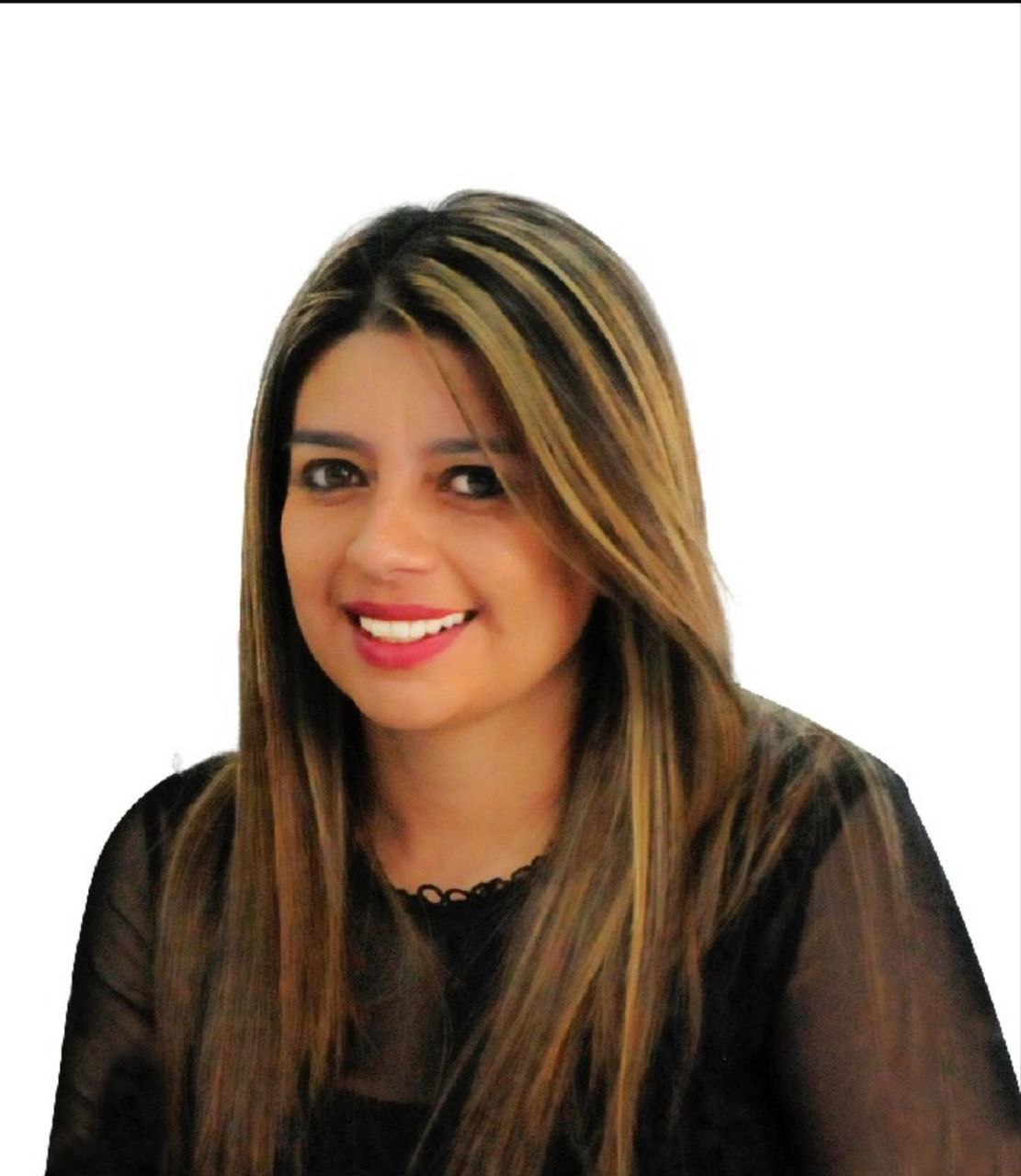
Distinguished leaders and representatives of women from around the world,
It is a great honor and pride for me to share today the story of my country, Colombia. IWPG’s Peace Education arrived in our region only a short time ago, yet its impact has been surprisingly profound and has spread rapidly.
First of all, I would like to express my sincere gratitude to IWPG and to all of you who work tirelessly for peace. The women of Colombia have long lived amidst wounds caused by violence and conflict. However, we have always longed for peace with more strength than anyone else. IWPG’s Peace Education responded to this longing and opened a concrete path toward achieving it. From 2024 until today, around 200 women have participated in in-person courses and about 800 in three online cohorts. At this moment, more than 300 women are still waiting for the opportunity to participate. These numbers clearly demonstrate both the urgent need for this education in our society and the deep reception it has received.
That same year, IWPG instructors took peace education directly to public libraries and human rights institutions, ensuring that the message of peace reaches beyond the classroom to the community.
The graduates did not remain as mere participants. Many joined the Peace Instructor’s education course and are now conducting training in their own regions.
Likewise, a peace committee has been established, and preparations are underway to open an IWPG branch in Colombia, aiming to implement concrete peacebuilding plans. A particularly significant moment took place on April 26, the International Women’s Peace Day, when graduates participated in the “March for a Better Life” festival in Cali, raising their voices for peace together with the citizens and putting into practice what they had learned in their lives.
That same year, in Bogotá, more than 2,000 students took part in the Colombian round of the International Loving-Peace Art Competition. The works were exhibited in the Plaza of the Presidential House, and a Colombian student won the highest prize in the world final. This competition was not only an artistic event, but also an essential part of peace education for the new generations, closely linked to our current efforts. “When a woman changes, her family changes; when a family changes, society changes; and when a society changes, an entire nation changes.”
Today, these words are being fulfilled in the lives of women and children in Colombia. Distinguished leaders, The experience of Colombia leaves us with a clear message: peace is not a distant ideal, but a way of living that we can choose here and now. Open Mic
Today, I speak on behalf of the women of Colombia: we are no longer victims of conflict, but agents of peace. We learn, teach, and practice, transforming our homes and communities, and this change is extending beyond Colombia to all of Latin America and the world.
“When we open the doors of peace education to women, we grant a power that transforms not only one person, but entire generations.”
From this moment onward, together with IWPG, the women of Colombia will continue to expand peace education and work so that the new generations may live in a world where peace is learned and practiced naturally.
From the bottom of my heart, I invite you to join this path. Only if we move forward together will we be able to leave peace as a legacy to those who come after us. Thank you very much.
Open Mic 02“My” personal transformation through peace educationMs. Shwe Sin Aung Staff Officer of Ministry of Cooperatives and Rural Development, Myanmar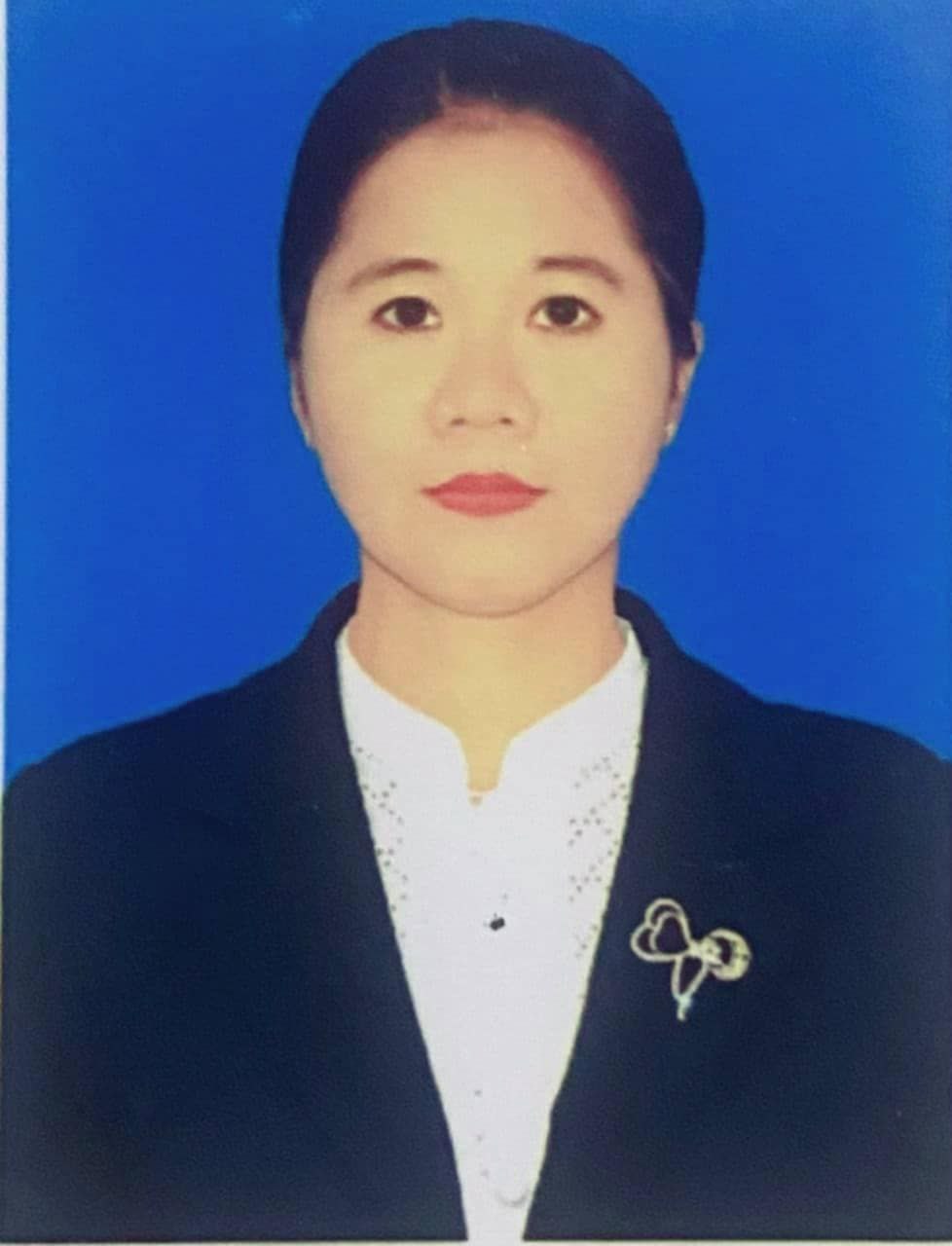
Good morning, honorable guests and fellow peacemakers. On behalf of the IWPG Myanmar team, it is a profound honor to stand before you. My name is Shwe Sin Aung, and I am a Peace Lecturer.
My journey with the PLTE program began as a trainee, and today, I want to share how it transformed not just my mind, but my entire world. First, peace education changed me from the inside out. As a trainee, I was focused on absorbing knowledge not only theories but also the core values of mutual respect and harmony, inspired by the principles of nature. When I became a lecturer, my perspective shifted. I realized “peace is not something you just learn; it’s something you must live and share.” The biggest change for me was moving from being a passive recipient of information to an active agent of empathy.
My purpose became clear: to empower others to find their own strength as
peacemakers.
Second, this internal change began to create ripples in my immediate environment. I remember a recent disagreement within my family. In the past, my goal in any argument was simply to win. But the lessons of peace education urged me to listen first —to seek to understand, not just to be understood. By choosing empathy over ego, I turned a moment of potential conflict into a moment of connection. It was a small victory, but it proved that peace begins in our homes, in our daily conversations, with the people we love.
Finally, this experience has ignited a clear vision for my community. This isn’t a distant dream; it is a concrete plan. My next step is to launch a “Peace Education Dialogue” with my local community, especially with youth. I choose to focus on youth because they hold the key to our future. By empowering them with these tools today, we are investing in a generation that can build bridges of understanding and break cycles of conflict. This dialogue will be a space for them to share their experiences and learn the tools of compassionate communication. By creating a safe space, I believe we can plant the seeds of understanding that will grow into a more peaceful future for all. To everyone here, our journey has just begun. Let us continue to nurture the peace we wish to see in the world, starting with ourselves. I would like to close with a wish: “May IWPG continue to be a beacon of peace, actively leading the way into the future.” Finally, I would like to say thank you to Miss Linda for her understanding and support for the IWPG Myanmar team. Thank you. We are one.
Open Mic
Open Mic 03“My” personal transformation through peace educationMs. Kim Ji-young Manager of Korea Economic Advisory Institute Gangwon Branch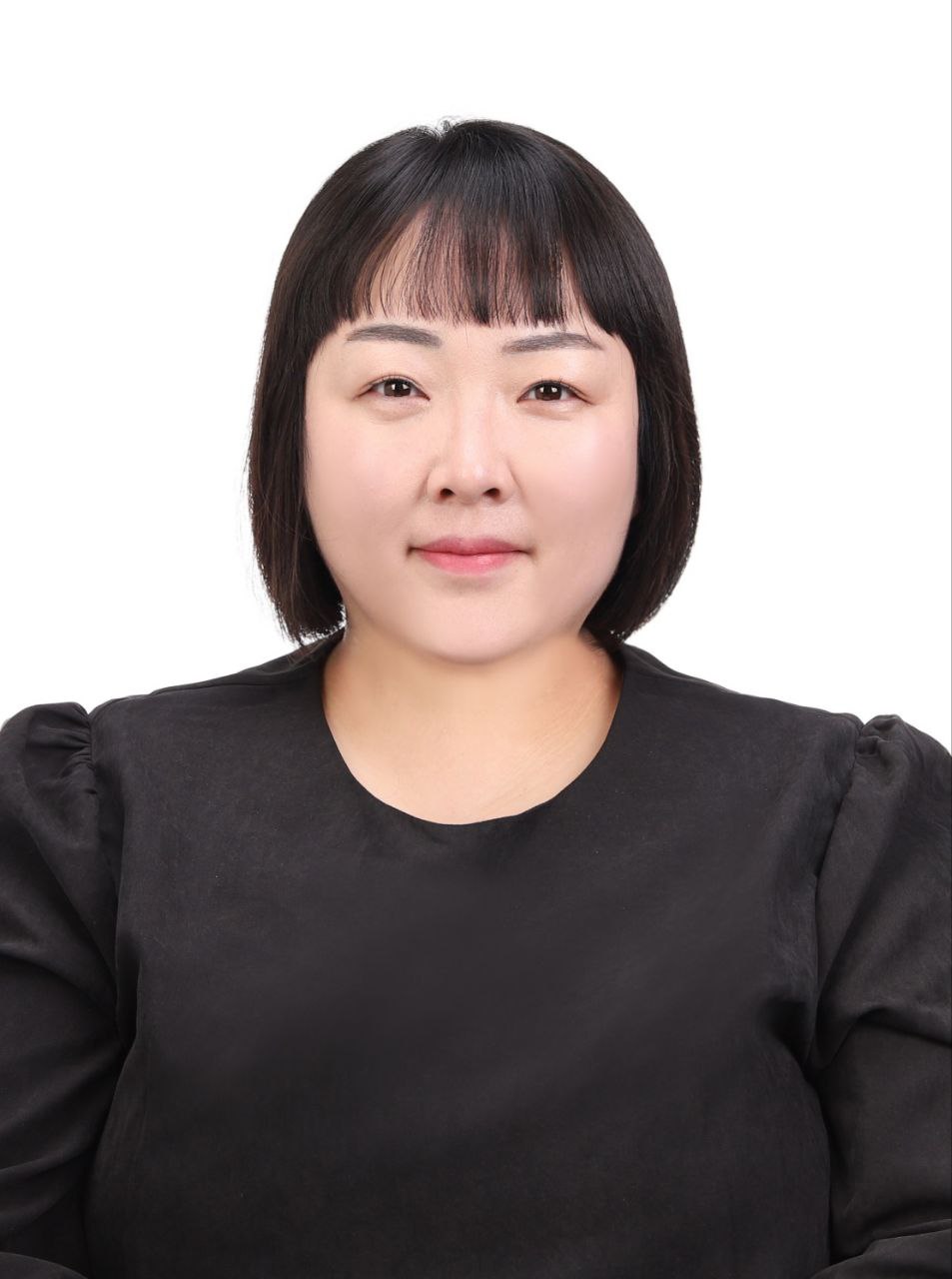
Hello. I am Ji-Young Kim, Chairwoman of the White Peace Committee of the IWPG Gangneung Branch.
It is with sincere gratitude that I stand here with you today in this meaningful gathering. As a mother, as a woman, and as the head of a household, I faced a question: “As a woman, what kind of influence can I have on this society?”
While seriously reflecting on my role beyond the boundaries of family and into society, I came to know IWPG. The fact that women were united and active with peace at the center was a great shock and inspiration to me. And the phrase “Peace begins with me” opened a new direction in my life. Through Women’s Peace Education, my life underwent an amazing transformation. The wall I once felt with my teenage son began to open little by little through listening and respect, becoming a turning point that changed the atmosphere of our entire family. Where once our conversations were cut off, my son and I are now able to share our feelings and laugh together and I could truly feel the power of that change. The first person to recognize this change was my own mother. She said, “My daughter has changed.” She herself joined as a member and completed Peace Education. After that, even my acquaintances naturally joined, and together we were able to form a Peace Committee. I experienced firsthand how the change in one person can spread to others around them.
The 2023 International Women’s Peace Conference in Incheon and the Loving-Peace Art Competition gave me unforgettable inspiration. From women leaders around the world, I learned the determination to practice peace and the practical ways to spread it, which gave me firm conviction about the path I must take. And in the pure messages of peace within children’s drawings, I deeply realized once again the importance of education. Since then, as a PLTE Peace Lecturer, I have been sharing peace with many people in the field of education. Going forward, I plan to create a laughter therapy club called “Utzza Utza”, so that more people can naturally join IWPG activities. I believe that laughter and positive energy can ultimately lead to peace. To me, peace is “my true heart hidden behind war and conflict.” Everyone has that heart, but many cannot express it.As a Peace Committee Chairwoman, I want to create opportunities for people to bring out that heart and share it with one another.
Even today, I ask myself:“Who around me longs to share peace but is still hesitating?” I recall names and make a list. And I try to approach them first. Just as small actions come together to create great change, I believe each step we take will ultimately become part of the true journey of peace. Friends, peace is not far away. It begins within us, and in the choices we make. I ask you to walk this path together with me. Thank you. Open Mic
Open Mic 04“My” personal transformation through peace educationMs. Larzy Vargees Principal of St. Mathew’s High School & Junior College of India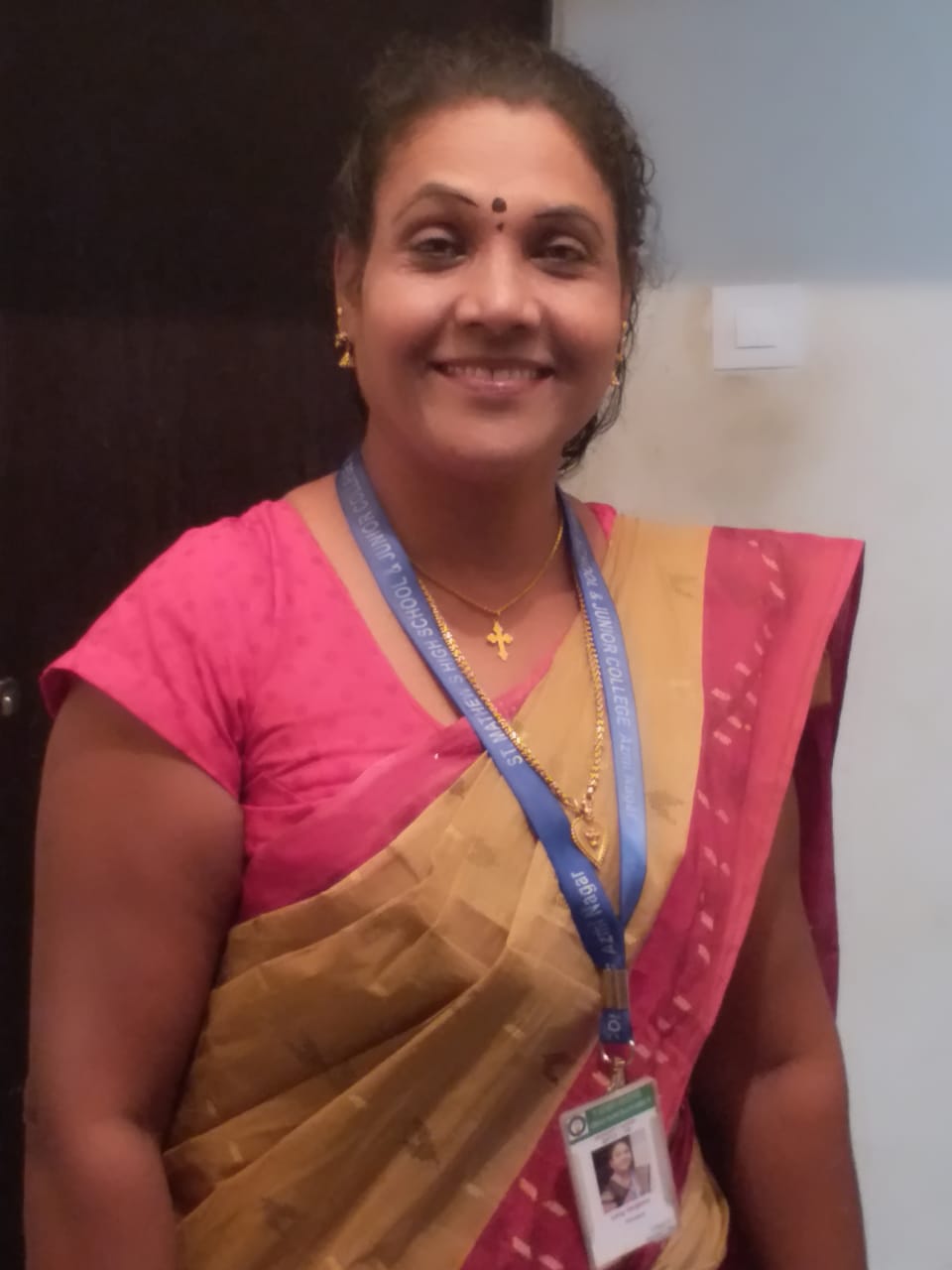
“Peace begins with a smile,” said Mother Teresa.
For me, this smile came when I completed the Peace Education program.
Before that, I was often restless, quick-tempered, and impatient, both at home and in my classroom. But this program transformed me completely.
It taught me the values of the Declaration of Peace and Cessation of War, inner peace, tolerance, empathy, and activism.
From this journey, I discovered the most precious gift inner peace.
And from that peace, a realization grew within me: “We are One.” This feeling of oneness changed my attitude, softened my heart, and made me more empathetic, kind, and understanding.
The change was not just in me but also in my surroundings.
My students and colleagues began to notice the difference.
Earlier, I would lose my temper quickly, shout at students for small mistakes. Because of this, many avoided me. But after peace education, my students and co-staff say I have become calm, approachable, and patient. Today, they come close to me without fear.
My family too has felt this shift. Truly, inner peace has spread outward, and I am grateful to IWPG for planting this seed within me. But peace cannot remain personal; it must be shared. As a teacher in the remote slums of Mumbai, I see poverty, unemployment, and illiteracy often tearing families apart. I hear mothers crying for peace in their homes.
I believe that if a mother is at peace, the whole family will be happy. And if families live in peace, society and the nation will follow.
That is my vision: to reach families through the thousands of children I teach, to nurture in them peace values alongside academics, and to build a ripple effect—from students, to families, to society, and to the world.
This is my mission: to be a changemaker, a pioneer, and a promoter of peace. Because as Mahatma Gandhi once said, “Each one has to find his peace from within. And peace to be
real must be unaffected by outside circumstances.”
Thank you.
Open Mic
Closing
Summary & ConclusionMs. Jo Baek-lee Former Director-General of Peace Education of IWPG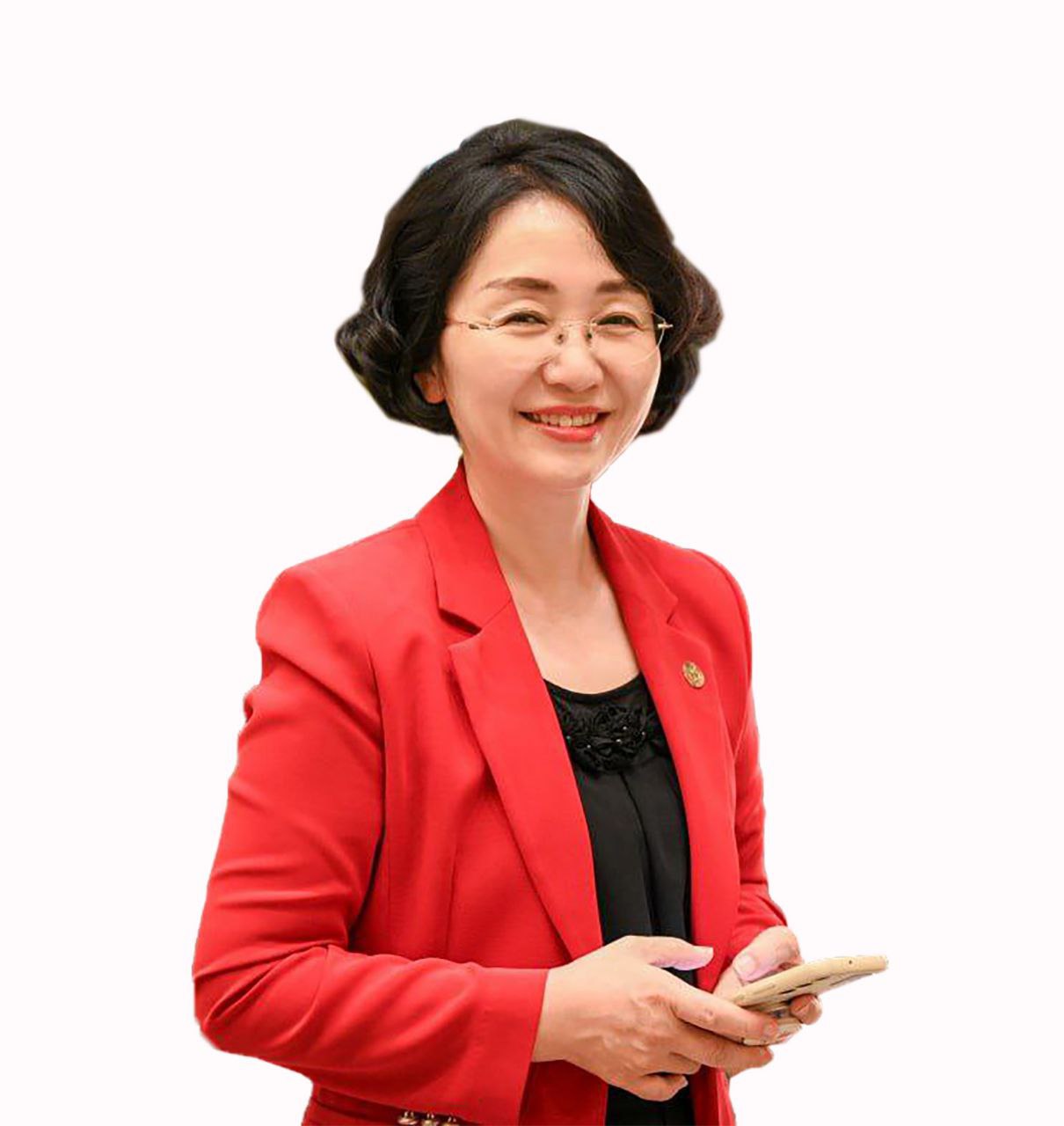
Good afternoon. My name is Baek-ri Cho, and I serve as the Director of the IWPG Peace Education Department.
Part 2 of today’s conference has been held under the theme, “Women’s Unity for Sustainable Peace and the Expansion of Peace Education.” Through the presentations we have heard today, we have seen how peace education has been planted like seeds in diverse communities, taking root, growing, and creating meaningful change. The transformation brought about by peace education can be sustained when practical action on the ground is accompanied by institutional support. Through education, we can inspire change in our families and communities, while governments and the international community must provide the institutional support necessary to ensure the continued expansion and sustainability of peace education.
The presentations by Minister Diane and Deputy Minister Salam demonstrated how government-level policies and action from positions of public leadership can help drive shifts in social awareness.
We also saw that behind the transformation of communities in Manchester and Kachin State was the leadership of women and the power of peace education. The small seeds of peace planted in each individual transformed their lives; those individual changes transformed their communities. These inspiring stories then spread across the world, ultimately reaching us here today.
The stories of women in Mongolia offer another important lesson. Through women’s peace education, personal transformation led to action in civil society and the institutional sphere, ultimately resulting in the establishment of a nationwide Peace Commission and even the erection of a peace monument. This can be regarded as a historic milestone for both IWPG and the women of Mongolia.
IWPG Women’s Peace Education is more than simply an educational program. It is a living form of education that cultivates a culture and sensitivity for peace while inspiring individuals to put peace into practice. Beyond both online and offline spaces, IWPG staff around the world, together with women who share our vision, are continuing to provide education on the ground so that everyone including women who have been marginalized can participate.
These efforts not only contribute to the achievement of SDG 4, Quality Education; SDG 16, Peace, Justice and Strong Institutions; and SDG 17, Partnerships for the Goals, but also advance the realization of the Women, Peace and Security (WPS) agenda by empowering women to become active agents of peace.
Even at this very moment, women around the world are discovering a transformed sense of self through peace education and creating ripples of peace in their families, communities, and ultimately throughout the world.
Summary & Conclusion(SessionⅡ)
Since late 2024, IWPG has been implementing three comprehensive peace education programs.
The General Course is the most universal of these programs. It begins with self-respect and respect for life, guiding participants to understand how peace that begins within oneself can extend to the family and society. It also encourages participants to reflect on the roots of war and peace, while expanding their perspective from the world around them to the global community and helping them consider their own role in the international community. Through this process, the program empowers every woman to become an agent of peace.
In addition, the Introductory Course, which incorporates a variety of experiential activities, and the Instructor Training Course, which develops women into peace education instructors, broaden and deepen the scope of our education.
The peace education materials that will be introduced soon will further systematize these courses and provide meaningful examples of learning, reflection, and practical engagement. We believe they will make a significant contribution to helping women grow into leaders who are equipped not only to teach peace, but also to practice and share it in their communities.
Side Events
International Media Press Conference
This session serves as an opportunity to introduce IWPG’s peace initiatives, as well as the inauguration and vision of its newly appointed Chairwoman, Jeon Na-young. Through engagement with international media, the session highlights IWPG’s key peace activities and shares the significance of global solidarity and cooperation for world peace.
- Date · 17 Sep 2025 (Wed)
- Venue · Uam Hall
- Participants · International Media
Peace Culture Lounge
The Peace Culture Lounge allows participants to experience various cultures, especially traditional Korean culture: making colored salt, an exhibition of works from the 7th International Loving-Peace Art Competition, and the IWPG sponsorship booth.
- Date · 18 Sep 2025 (Thu) 17:00~19:00
- Venue · Uam Hall
- Participants · Pre-registered guests
2025 High-Level Women’s Peace Cooperation Meeting
Women leaders and key figures come together to discuss the direction of peace and cooperation, share the potential for mutual cooperation, and explore concrete measures for sustainable peace cooperation and joint projects.
- Date · 17–19 Sep 2025
- Participants · Pre-registered guests
Peace Family Workshop
An interactive session sharing cases of local peace activities and projects, exploring future collaboration and joint activities while identifying opportunities and challenges on the ground.
- Date · 19 Sep 2025 (Fri) 15:15~17:00
- Venue · Uam Hall
- Participants · Representatives and members of Peace Committees
Women Networking Dinner
A networking platform where participants can meet and bond with each other in a comfortable atmosphere.
- Date · 19 Sep 2025 (Fri) 18:00~21:00
- Venue · Party Garden EAN
- Participants · Pre-registered guests